Hunan: Before surfing the waves, the wind is as strong as a rafter, drawing a new scene with a giant pen.

Orange Isle

Draw a "new blueprint" for towns

-The urbanization rate is from 7.9% to 56.02%.

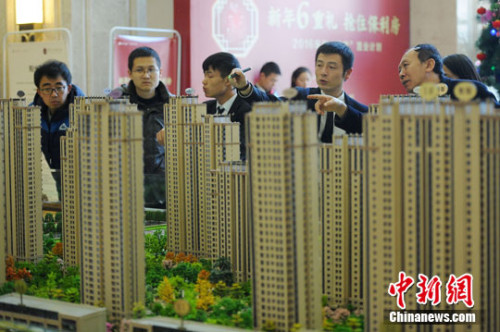
High-rise buildings have risen from the ground, connecting yesterday, today and tomorrow of urbanization in Hunan Province.

The Sino-Soviet Friendship Building (now Changsha Stomatological Hospital), built in 1956, is 18 meters high and has made a silent witness to the Sino-Soviet friendship in history. Hunan Hotel, built in 1959, was the tallest building in Hunan at that time, with a height of 35 meters. This building height record was not broken until 1972 by Lushan Hotel (now Lushan Hotel) located in Hexi, Changsha. Wharf International Financial Center, which opened in 2018, reshaped the "skyline" of Hunan at a height of 452 meters.

Hunan province adheres to the guiding principle of "controlling the scale of big cities, rationally developing medium-sized cities and actively developing small towns", and the urbanization process has been obviously accelerated and the urbanization level has been continuously improved.

In 2000, the urbanization level of the whole province reached 29.75%. Although this figure is more than 6 percentage points lower than the national average, it is regarded as a new starting point for urbanization in Hunan.

In May, 2006, Hunan Provincial Party Committee proposed to promote urbanization around the construction of Changsha-Zhuzhou-Xiangtan urban agglomeration. At the Ninth Party Congress of Hunan Province, promoting the integration of Changsha, Zhuzhou and Xiangtan and the construction of "3+5" urban agglomeration were identified as a major strategy to enrich the people and strengthen the province.

In 2016, at the 11th Party Congress of Hunan Province, Du Jiahao, secretary of the provincial party committee, emphasized in the report that it is necessary to vigorously promote the integration of Changsha, Zhuzhou and Xiangtan, implement the regional development strategy of "one core, three poles, four belts and multiple points" and build a new urban system. Since then, the relevant policies have further clarified the idea of promoting the integration of Changsha, Zhuzhou and Xiangtan: strive to build an upgraded version of the core growth pole of the province’s economy, a new highland in the rise of central China, and a demonstration zone for the integrated development of national urban agglomerations. The construction of the "three trunk lines and two tracks" project in Changsha-Zhuzhou-Xiangtan (namely, the rapid reconstruction project of Furong Avenue, Dongzhu Road and Tanzhou Avenue, the west ring line project of Changsha-Zhuzhou-Xiangtan intercity rail transit and the "four improvements and two accelerations" project of Changsha-Zhuzhou-Xiangtan intercity railway) is in full swing.

Changsha intercity railway

Since the 18th National Congress of the Communist Party of China, with the implementation of the new round of household registration system and residence permit system reform, the urbanization of rural migrant population in Hunan Province has been accelerated in an all-round way, and the permanent population of cities and towns has increased from 2.36 million in 1949 to 38.65 million in 2018, and the urbanization rate of the whole province has increased from 7.9% in 1949 to 56.02% in 2018.

At present, the number of cities with a population of more than 1 million in the province has increased to five, and the ability of cities to gather population has been significantly improved. Among them, Changsha has become a type I big city (with a permanent population of 3 million to 5 million), while Hengyang, Zhuzhou, Changde and Yueyang have become type II big cities (with a permanent population of 1 million to 3 million).

■ Building a livable "new home"

-Urban per capita housing area

From 3.9 square meters to 48.8 square meters

In the early days of the founding of New China, it was a common living phenomenon for three generations to "live in a humble hut". Take Changsha as an example. In 1957, the per capita housing area in Changsha was only 4.37 square meters.

During the planned economy period, urban residents mainly stayed in "waiting, relying on and needing" to solve housing problems, that is, waiting for the state to allocate housing, building houses by organizations and asking for housing from units. "Housing shortage" became a serious social problem at that time.

In 1980, the state put forward the general idea of reforming the investment, construction and distribution system of urban housing, and the "home" of Hunan people experienced a great change from welfare distribution to market purchase. The reform of the housing system has taken a step forward, and the implementation of "starting with rent increase, starting with the construction of commercial housing, and gradually transitioning to monetary housing distribution".

In 1992, a wave of reform and opening up was launched on the land of China, and the urban real estate industry entered a period of rapid development. The sale of existing public houses was the focus of housing reform in Hunan Province. At the same time, the reform of the housing provident fund system was rolled out throughout the country. On January 1, 1995, Hunan Province officially implemented the housing provident fund system.

At the beginning of the 21st century, commercial housing has become an important part of housing system construction in Hunan Province. There are not only government-led district development such as Meixi Lake and Binjiang New Town in Changsha, but also housing giants such as Country Garden, Vanke and Beichen competing to lay out the Hunan market.

Reconstruction Project of Rural Dangerous House in Shanglian Village, Shaoyang

Living and living is the starting point of living and working in peace and contentment, and stabilizing housing prices is the key to living and working. In June 2018, Changsha introduced the property market regulation policy, and launched an all-round battle against real estate speculation. In July of the same year, the Provincial Department of Housing and Urban-Rural Development issued the "Hunan Eleven Articles" to strengthen the classified regulation of the property market and control the housing prices of key cities in the province.

In order to solve the housing problem of urban low-income groups in the province, in 2008, Hunan Province launched a comprehensive affordable housing project. According to the data of the Hunan Provincial Department of Housing and Urban-Rural Development, since 2010, the province has built a total of 1.055 million sets of public rental housing, and distributed 574,100 housing rental subsidies, so that urban low-income and low-and middle-income families with housing difficulties have achieved "all insurance coverage"; Completed the renovation of 2.613 million shanty towns, helping nearly 10 million residents to "get out of the shed and enter the building"; 1,717,100 rural dilapidated houses were renovated, and the average household subsidy increased from 5,000 yuan in 2009 to 24,500 yuan now, helping more than 5 million farmers solve the housing problem.

As of 2018, the per capita housing area of urban residents in the province reached 48.8 square meters, an increase of 44.9 square meters over 1978, an increase of 12.5 times; The per capita housing area of rural residents reached 63.6 square meters, an increase of 53.1 square meters over 1978, an increase of more than six times.

■ Polish the city’s "new business card"

-Urban and rural environmental infrastructure construction

From "Small Jogging" to "Full Blooming"

In the process of urban development, a large number of domestic sewage, production wastewater and various domestic garbage were once directly discharged into urban inland rivers.

The Guitang River in Changsha is black and smelly. It was once the famous "Longxugou". After many efforts, Guitang River was transformed with the concept of "double renovation" and "sponge city". In 2017, the "black and smelly water body" was successfully removed, and the clear river naturally stretched, echoing with art bridges, wetlands and green spaces, becoming an urban "ecological river".

Changsha binjiang finance building

Cities are born of water, flourish with water and are beautiful with water. The protection and treatment of Xiangjiang River has become the "No.1 Key Project" in Hunan Province. Since the implementation of the two "three-year action plans", the water quality of Xiangjiang River Basin is generally excellent, and the water quality of 80% of the main stream section has reached the Class II water quality standard. Changde passes through the inland rivers of cities such as Zihe River and Yangxi River in Chenzhou, changing from a black and smelly "Longxugou" into a waterfront park, with willows and rivers gurgling.

Pollution is in the water and its roots are on the shore. In recent years, Hunan Province has successively carried out special actions such as "Three-year Action for the Construction of Sewage Treatment Facilities", "Two Supplies and Two Treatments" and "Two Repairs and Two Reforms". The main indicators such as the sewage and garbage disposal rate and the harmless treatment rate of domestic garbage have steadily increased, and the appearance of urban and rural environmental infrastructure has undergone major changes.

In April this year, the Hunan Provincial Party Committee and the provincial government held an on-the-spot meeting to promote the construction of urban and rural environmental infrastructure in the province, pushing the construction of ecological civilization to a new level, and proposed to focus on six major projects: safe water supply, gasification of Hunan, sewage treatment, garbage treatment, remediation of black and odorous water bodies, and smart construction to increase efficiency, and the construction of urban and rural environmental infrastructure entered the "fast lane".

People’s cities are built by the people and people’s cities are for the people. Since the concept of "urban taste" and "smart growth" was put forward, the traditional thinking of urban development has been refreshed-no longer pursuing extensive GDP growth, but paying more attention to quality and efficiency, making the city a paradise for ordinary people to live and work.

Guitang River in Changsha City after Harnessing

The old streets of Gu Xiang, such as Laoximen in Changde, Liuzi Street in Yongzhou, Fengcheping in Xiangtan and Yuhou Street in Chenzhou, have been organically updated, which has kept the city’s features and realized the organic combination of tradition and modernity. The renovation project of shanty towns in Changsha has explored a new road that pays equal attention to "staying, renovating and demolishing", refused to "demolishing and building", improved the living environment, and completely renewed historical and cultural blocks such as Duzheng Street, Gaozheng Street and Baiguoyuan.

The livable environment in Hunan has been continuously optimized. The gas penetration rate of cities and counties in the province reached 93.6% and 76.9% respectively, and the urban water supply penetration rate reached 94.31%. There are 15 national garden cities (counties), 39 famous historical and cultural cities, 38 beautiful and livable towns (villages), 658 traditional villages in China and 1,430 green villages in China.

■ Activate and develop a "new engine"

-Gross output value of construction industry

From 14 million yuan to 958.1 million yuan

According to historical records, the total output value of Hunan’s construction industry in the early days of the founding of New China was only 14 million yuan. With the recovery of the national economy, the number of construction enterprises has increased steadily, and the scale of enterprise output value has increased significantly.

The development of construction industry is closely related to regional construction. Especially since the 18th National Congress of the Communist Party of China, the construction industry in Hunan Province has entered a new stage of development, and the development trend of scale, industrialization, refinement and internationalization has become increasingly apparent.

In 2019, the Hunan Provincial Department of Housing and Urban-Rural Development announced the list of "Strong Building Enterprises" in the province, and 19 enterprises including China Construction Fifth Bureau, Hunan Construction Engineering Group and Shaping Construction were selected. Statistics show that in 2018, the total output value of the construction industry in Hunan Province was 958.144 billion yuan, up 13.8% year-on-year, and it will soon be upgraded to a trillion-dollar industry, and the construction industry has become a pillar industry of the economy.

From the past "a sunny day covered with dust and a rainy day covered with mud" to a clean and tidy "smart construction site", the pace of transformation and development has accelerated after the construction industry has inserted the wings of "internet plus".

At the entrance of the construction site, workers enter by "brushing their faces"; Set up an information command center in the construction site to collect a large number of videos and various data in real time, and have a "brain" blessed by high technology; Tower crane construction no longer relies solely on walkie-talkies. Instead, sensors are installed on the tower crane to collect data such as wind force, turning angle and load, so as to realize accurate and safe operation … The smart construction site on the land of Sanxiang has become the concrete embodiment of the concept of smart city in the construction industry.

Changde Chuanzi River Comprehensive Treatment Project

With the advent of the commercial era of 5G, the construction industry is at the forefront of 5G applications. With the help of digital BIM+AR+VR technology, a visual bridge is built between three-dimensional design drawings and buildings under construction. The whole process of construction, such as survey, design, construction and acceptance, has also ushered in earth-shaking changes. It is reported that the application of BIM technology in Hunan and the work of building smart construction sites at the provincial level are at the forefront of the country.

Based on green development and promoting transformation and upgrading, Hunan has continued to exert its efforts in the cultivation of prefabricated construction industry and the construction of the "Belt and Road".

In Hunan, there have emerged national leading prefabricated building enterprises such as Yuanda Residential Engineering, Sany Group and Zhuyou Zhizao, with annual production capacity and comprehensive strength ranking among the top in the country. There is one national assembly building demonstration city (Changsha) and nine assembly building industrial bases. As of the first half of this year, the province has implemented a total of 42.73 million square meters of prefabricated construction projects, with an annual production capacity exceeding 30 million square meters and a total output value exceeding 70 billion yuan. Prefabricated building has become another "Hunan business card" after super rice, supercomputer and ultra-high-speed rail transit.

Huxiang construction frequently appears in the "Belt and Road" construction. From "going out to sea by boat" in the past to "going out to sea by boat" today, the project contracting capacity of Hunan Province has been significantly improved. For example, the China Construction Fifth Bureau has implemented the overseas priority strategy, and projects have been launched in 12 countries along the "Belt and Road". Hunan Construction Engineering Group’s overseas business covers more than 30 countries and regions in Asia, Africa and Latin America, involving housing construction, highways, bridges, power grids and other fields. The Senegalese competitive wrestling field project undertaken by Hunan Construction Engineering Group is the largest aid project of China in Senegal.

■ Accelerate the "streamline administration, delegate power, strengthen regulation and improve services"

-administrative examination and approval from bloated.

From "Great Besieged City" to "Acceleration" of Slimming

Hunan’s housing and urban-rural construction system has been committed to promoting the "streamline administration, delegate power, strengthen regulation and improve services" reform, demanding efficiency from reform and vitality from innovation. Since 2018, the Hunan Provincial Department of Housing and Urban-Rural Development has taken the reform of the examination and approval system of engineering construction projects as a vivid practice of "streamline administration, delegate power, strengthen regulation and improve services", initiated the reform in non-pilot areas of the country, adhered to the problem orientation, improved the top-level design, eased "blocking points", removed "pain points" and broke "difficulties", making the project landing faster and the procedures more convenient.

Changsha Municipal Solid Waste Advanced Comprehensive Treatment (Clean Incineration) Project

The unified project construction approval management system in Hunan Province was officially launched in September this year, achieving "five reductions": the number of approval items was reduced from 71 to 50; The total time limit for examination and approval of housing construction municipal engineering projects has been reduced from 230 working days before the reform to 60 ~100 working days; Divide the 71 serial examination and approval items before the reform into four examination and approval stages, and implement "one lead, parallel examination and approval, and time-limited completion" in each stage; The application materials submitted in the whole process were reduced from more than 320 to more than 160; By promoting the supporting reforms such as "multi-regulation integration", "regional evaluation", "multi-map joint examination", "multi-measurement integration" and "joint acceptance", the overall running times of the administrative counterpart are minimized.

At the same time, the Hunan Provincial Department of Housing and Urban-Rural Development has taken the initiative to decentralize the administrative examination and approval authority at the same level, and the administrative power matters such as preliminary design review, construction drawing review and filing, quality and safety supervision, construction permit issuance, and completion acceptance filing of provincial management projects should be "released". Since May this year, the electronic declaration and approval of administrative licenses have been fully implemented, and the masses of enterprises have basically realized from "running at most once" to "not running at one time"; We launched a special campaign to reduce the number of certificates and facilitate the people, and cut off 16 unreasonable proof materials such as capital verification certificates and business premises certificates.

The Hunan Provincial Department of Housing and Urban-Rural Development has vigorously promoted the reform of the construction drawing review system, and launched a series of measures, such as "internet plus drawing review", government purchasing services, multi-review in one, and multi-drawing joint review. Since the reform, "zero running, zero contact and zero payment" has been basically realized, the time for construction drawing review and filing has been accelerated from 100 days to an average of 9.1 days, saving the construction drawing review service fee of 320 million yuan for the construction unit on average every year, and the competent authorities have corrected 823 violations of quality and safety standards on average every year. The supervision ability of survey and design is 24.6 times that of offline paper review in the past.

■ Enhance the "high value" of civilization

-Urban management

From "extensive" to "refined"

In 1978, the State Council held the third national conference on urban work, which made it clear that "the main responsibility of the city government is to plan, build and manage the city well". In 2002, the State Council launched a comprehensive administrative law enforcement pilot in five areas, including urban management and cultural market management, which marked a substantial step towards "comprehensive law enforcement" in urban management law enforcement.

In accordance with the unified arrangements of the central government, Hunan has further promoted the reform of urban law enforcement system and strengthened urban management. On May 8 this year, the Hunan Provincial Department of Housing and Urban-Rural Development set up the Bureau of Urban Management and Law Enforcement Supervision, which marked a new chapter in urban management in Hunan Province. By the end of September, 13 districts and cities and 118 counties and cities in the province had established urban management and comprehensive law enforcement bureaus in accordance with the requirements of urban law enforcement system reform, and new members were constantly added to the "big family" of urban management and law enforcement teams.

The city is the home of people’s beautiful life, and urban governance is related to people’s food, clothing, housing and transportation, and living and working in peace and contentment. All parts of Hunan have innovated institutional mechanisms and governance methods, and the appearance of the city has taken on a new look. Zhuzhou City established 200 "Jianning Stations", and all parties responded well; Changsha city has carried out joint law enforcement of urban management and public security, creating the experience of "combining two swords"; Chenzhou formulated the fine standards of urban management and fully implemented fine management; Shaoyang gathers strength to "wash the city" to create a clean and beautiful city appearance.

Urban management law enforcement behavior is gradually standardized. The province continued to carry out the three-year action of "strengthening the foundation, changing the style and building the image". All localities strengthened the self-management and education and training of law enforcement teams, and law enforcement officers distributed standard clothing, which significantly enhanced the sense of identity of law enforcement teams, significantly improved the level of law enforcement and professional quality, and undertook many urgent and dangerous tasks.

The property management system has been continuously improved, the "circle of friends" of the industry Committee has become larger and larger, and the community has become the "home" of every owner; Garbage sorting has become a new fashion, and residents’ participation is active every day, so that garbage is no longer "wandering"; Micro-renovation of the city, renovation of old residential areas, installation of elevators, and "embroidery kung fu" to make the city more exquisite; "Conspiracy, co-construction, co-management, co-evaluation and sharing" and "a beautiful environment and a happy life are created together", making communities and the masses increasingly the most active "protagonists" on the urban stage; Litter boxes, leisure seats, bus shelters, traffic signs, lighting facilities … The ever-increasing urban "furniture" makes outdoor places as convenient and comfortable as home.

Adhering to the people-centered principle, building a new city with ecological priority, beautiful and livable life and a better life for the people is becoming the goal of housing and urban and rural builders in Hunan Province.
How difficult was the ancient "college entrance examination" before the birth of the imperial examination system?

  Dong Jun Gong

  In the college entrance examination season in June, students from all over the country charged the university. Throughout the ages, it is quite difficult to stand out in a wide range of examination selection. When it comes to the ancient examination system, people generally think of the imperial examination system. In fact, the imperial examination system, which was popular in the Han, Wei, Jin, Southern and Northern Dynasties, is no less difficult than the imperial examination system. After evolution, this system gradually transited from "taking people by virtue" and "taking people by name" to "taking people by articles", and gradually changed from personal recommendation to unified examination. The reason for this change is that under the situation of "one in a million", the unified examination of "judging people by their articles" can ensure fairness to the greatest extent.

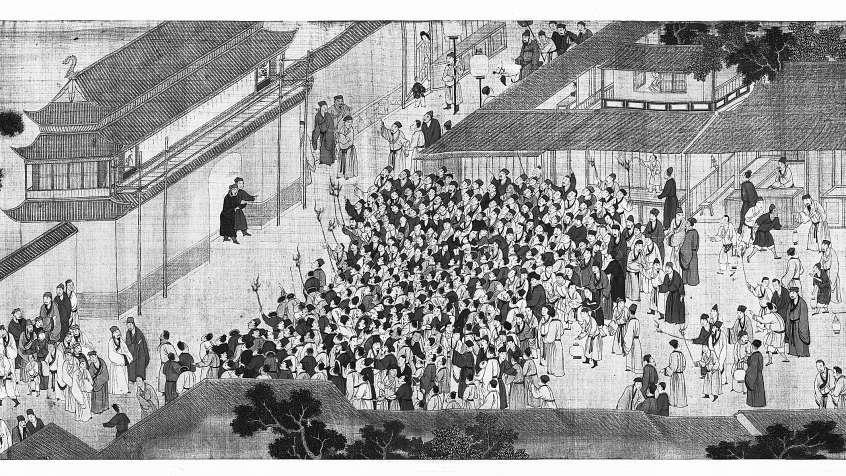
  In Qing Dynasty, Liang Yi painted "Guanbang Tujuan"

  Difficult subject

  Emphasize the morality of Confucian classics

  The imperial examination system, which was established in the Western Han Dynasty, passed through the Eastern Han Dynasty, the Wei and Jin Dynasties and the Southern and Northern Dynasties, and was replaced by the imperial examination system in the Sui Dynasty. It has existed for more than 780 years in the history of China, and it is one of the most important official selection systems. The procuratorial system selects talents to be officials by means of inspection and recommendation. After the implementation of Chaju in Emperor Gao of the Western Han Dynasty, after continuous improvement and revision in Wen Jingwu’s three dynasties, a hundred schools of Confucianism were ousted by Emperor Wu of the Han Dynasty, and a relatively complete inspection subject was gradually established, which is the so-called "four subjects" in later generations, namely: filial piety, virtue, scholar and different subjects. In the Eastern Han Dynasty, in order to avoid the taboo of Emperor Liu Xiu, the scholar was changed to Mao Cai. These subjects are not difficult to understand today. Filial piety is a filial people and a relatively honest official. In the Eastern Han Dynasty, it was collectively called filial piety. Virtuous and scholar are roughly literal, focusing on Confucian cultivation and moral conduct. Different subjects are talents in astronomy, calendar, financial management, water control and grain storage. It can be said that the early inspection focused on the study of classics and morality, but relatively little on the skills needed for government operation.

  Why is this happening? It’s not that that era didn’t pay attention to technical talents, which was caused by specific historical conditions. On the one hand, Confucianism catered to the emperor’s idea of ruling the world at that time, on the other hand, Confucianism had a more perfect theory of governing the country by the family than other theories. After it became a political theory adopted by the rulers, the selection of officials was carried out according to the standards required by Confucianism.

  For example, filial piety, the core subject of Chaju, has a cornerstone significance in Confucian ethics. In addition to Emperor Liu Bang and Emperor Guangwu Liu Xiu, emperors of the Han Dynasty all carried the word "filial piety" after their death in posthumous title. Then, from top to bottom, filial piety has also become the primary standard for scholars. However, when it comes to Chaju, it is not particularly serious whether an individual really has filial piety, as long as it conforms to the general ethics, and there is no need for excessive filial piety like Wang Xiang’s lying on the ice seeking carp or Guo Ju’s burying his son. For example, Shi Dan, the minister of Yuan Dynasty, Cheng Dynasty and Ai Dynasty in the Western Han Dynasty, was called Xiao Lian when he was young, and his filial piety was not specifically recorded in The Biography of Shi Dan in Hanshu. The real reason for being chaju is that he studied under Kuang Heng, a master of Confucian classics, specializing in the Book of Songs, one of the five Confucian classics, and his accomplishments in Confucian classics are very profound.

  At that time, Confucian classics was the stepping stone to be an official. Under the strong stimulation of the procuratorial system, Confucian scholars everywhere devoted themselves to the study of Confucian classics with unprecedented passion. The wind of learning Confucianism in Shandong is particularly strong. In Dongping, there was a master Confucian named Xiahou Sheng, who was proficient in Shangshu. Later, the official was a teacher and was deeply respected by Emperor Xuandi of Han Dynasty. He lived to be 90 years old. After his death, the Queen Mother personally gave him 2 million yuan for his funeral, and all Confucian scholars in the world followed his example. Xiahou Sheng often teaches his students, saying, "If you have a clear understanding of the art, you will get blue and purple, which is like a handful of mustard ears. If you don’t know the classics, it’s better to go back to farming. " It’s easy to learn the Five Classics well, but it’s better to go home and farm if you don’t learn well. Although this statement is a bit too materialistic, it really hit the point that the imperial examination system at that time was mainly based on Confucianism, so it became the consensus of Confucian scholars in the Han Dynasty.

  However, will it lead to the weakening of the skills of the talent team if we just focus on the Five Classics? The answer is yes. In the Han Dynasty, the inspection of the officials of grammar has been carried out simultaneously, and professional skills such as "the skill of the first king in the Ming Dynasty", "the disaster of Yin and Yang in the Ming Dynasty", "the doctor", "the man who knows the art of war" and "managing the prison" have been introduced, and a certain number of officials have been selected to meet the needs of government operation. At the end of the Western Han Dynasty, Wang Mang usurped the political power to punish the shortcomings of the abnormal emphasis on Confucian classics in the Yuan Dynasty, and suddenly launched a series of new subjects, such as notifying Yijing, ancient records, astronomy, calendar calculation, clock rhythm, primary school, history, alchemy, materia medica, etc., which were recommended by thousands of people all over the country at once, setting the highest in the Han Dynasty. Wang Mang is notorious for usurping the Han Dynasty, but his reform measures are not all groundless, and some are also adjustments made for social problems. Later, Liu Xiu recreated Liu Han, and some of Wang Mang’s practices were changed and retained, such as Yin-Yang studies, celestial calendar calculations, laws and so on, which were all inherited.

  Wei Ji, minister of Cao Weishi, wrote that there were too few judges selected in the inspection, and it was not enough to rely on the limited annual supplement, and the social orientation was wrong, which was biased against the judges. Wei Ji said: "Criminals are contemptible; The jailer, and the user is humble. " Emperor Cao Wei attached great importance to this proposal, so he set up a doctor of law in Tingwei Department as a supplement to the inspection. In modern terms, it is probably called "training by industry". Later, they became accustomed to each other and continued until the Southern and Northern Dynasties.

  Fewer places

  One in 200,000 people.

  According to the inspection system, the vast majority of those who are inspected can be officials, which was called "releasing brown" in ancient times, that is, taking off the cloth and wearing the official uniform of "wearing purple and yellow". Because of its good prospects, it is very difficult to be selected.

  The first difficulty is that there are too few places. At the beginning of the Western Han Dynasty, each county and country inspected two people every year. The country was a vassal state set up by the princes of the Western Han Dynasty. After the deduction, the number of counties owned by the vassal state was slightly less than that of counties, which was roughly the same as that of counties. The number of counties and countries in the Western Han Dynasty increased with the increasing population, with 103 counties and countries in the Han Dynasty. Roughly speaking, there are only 206 examiners in China every year. Not only less, but also unfair. The population distribution among counties and countries is uneven. For example, there are as many as 2.596 million people in Runan County (now Zhumadian, Henan Province, south of Zhoukou), while there are only 219,000 people in Jiangxia County (now east of Wuhan, Hubei Province), with a difference of more than ten times, but the number of people in Chaju is two. Later, the Eastern Han Dynasty made adjustments. According to the head count, every 200,000 people were inspected once a year, small counties with less than 200,000 people were inspected once every two years, and pocket counties with less than 100,000 people were inspected once every three years. In addition, we will take care of the border areas. In the border counties, there will be one person in three years with less than 50,000 people, one person in two years with less than 100,000 people, and one person in each year with more than 100,000 people. Even according to this ratio, the peak population of the Eastern Han Dynasty is about 50 million, and the number of Chaju people is between 250 and 300. 200,000 people choose one, which is fierce competition.

  Secondly, the difficulty lies in the selection method. The implementer of the inspection tour is called the advocate, and is generally filled by the chiefs of the three offices and nine ministries, as well as senior officials such as the county chief. The selection method is mainly based on usual understanding and face-to-face conversation. This means that ordinary people want to enter the sight of the Lord, or they are always very virtuous and talented, and their reputation is far-reaching, so as to attract the attention of senior officials and dignitaries. Otherwise, the fragrance of wine is afraid of the depth of the alley, and even if it is full of knowledge, it will inevitably be buried for life. In order to make the investigation well-founded, Liu Xiu, Emperor Guangwu of the Eastern Han Dynasty, wrote a letter to clarify four specific standards: first, noble virtue, innocent ambition; The second is to learn to practice, and to be a doctor in the middle school; Third, the Ming-da law is enough to make a decision, to ask questions about the case, and to make suggestions in the text; Fourth, he is resolute and resourceful, and he is not confused by things, and he is clear enough to make a decision before he is appointed as a third assistant. Although it is still a little more ambitious and lacks practical skills, it has made great progress than the Western Han Dynasty. Because Liu Xiu started from the bottom, he paid more attention to practical ability. However, the top-level design is good. When it is used, the emperor can’t always pay attention to the grassroots. The actual selection of the inspection is mostly operated by the county guards, and people who rely on impressions and relationships are everywhere.

  According to Ying Shao’s "Customs Pass" in the Eastern Han Dynasty, there was a sheriff named V Shigong who took care of his "same age" when he was in Chaju, that is, his colleague who was an official in Chaju in the same year. The Fifth Duke worked as a satrap in Guanghan, and the eldest son of Uncle Liao, Duan Jiu, who was the same age as Situ Changshi, went to Nanyang as a satrap. He also took Cai Yan, the younger brother and son of Cai Boqi, the satrap of Donglai, as officials. Uncle Duan Liao’s family had two sons, the eldest son Duan was dull and mediocre, while the second son Duan Kun was outstanding. The fifth generation of the public recommended the bad and eliminated the good, probably to solve the problem of the eldest son’s career advancement for Duan’s family. The Cai family has produced two filial piety for two years in a row. How can it not be criticized when the number of places in the inspection is so small? Cai Zan was fourteen years old, and he was not qualified for the official position at all. In order to avoid revealing the facts, the Cai family made him say that he was ill. After four years, at the age of eighteen, he was appointed as Pingchun Chang (the county magistrate of a small county). He had no work experience and had to write to ask for a new post of Suwei.

  There are many frauds

  Examination system to prevent corruption

  In the Han Dynasty, the children of civilians were limited by the number of places and methods, so it was difficult to be inspected, and it was normal to leave pearls in the wild. In the Wei and Jin Dynasties, due to the great development of the gentry class, Confucianism temporarily fell into a low tide, and the evaluation system marked by the Nine-grade Official Law sprang up suddenly. There were no poor people in the top grade and no gentry in the bottom grade, and the qualification of inspection was basically monopolized by the gentry. It was even more difficult for ordinary people to be an official through inspection. Some people of insight realized the problem and began to carry out reforms.

  The symbolic reform is the Yangjia new system initiated by Zuo Xiong, the minister of the Eastern Han Dynasty. The first year of Emperor Shundi Yangjia in the Eastern Han Dynasty (AD 132) was the 107th year of the founding of the Eastern Han Dynasty. Over the past hundred years, the aristocratic strongmen became more and more powerful, and the procuratorial system was influenced by the aristocratic strongmen. The phenomenon of favoritism, trust between your officials and unfairness in procuratorial work became more and more serious, and bureaucratic families such as four generations, three generations and three generations appeared frequently. Some honest officials came forward to oppose cheating in the inspection and almost paid the price of their lives. For example, Shi Bi, the chief of Hedong County, flatly refused Hou Lan’s request for help, and also killed the person who sent a message to Hou Lan as an example, resolutely defending the fundamental principle of "choosing people to serve the country" in the procuratorial system. Hou Lan became angry from embarrassment, colluded with senior officials such as Si Li, a captain and Ting Wei, put Shi Bi on death row and abandoned the city on charges (that is, put to death in public). Fortunately, a man named Wei Shao, Xiao Lian, felt sorry for Shi Bi’s integrity and sold his property to raise money to bribe Hou Lan, so as to be exempted from Shi Bi’s capital crime.

  This extreme event was a big outbreak of the drawbacks of the procuratorial system in the middle of the Eastern Han Dynasty, which forced the Han court to make adjustments. Shangshu ordered Zuo Xiong to change the inspection system. There are two core policies: First, set an age limit. Generally, the object of inspection should be at least 40 years old. If it is true that "there are talents in different professions", you can also make an exception. The second is to establish an examination system, "all students try their best to learn the family law, and officials teach notes." This means that Confucian scholars should examine Confucian classics, while literati should examine the skills of writing chapters and laws.

  The age limit is not unusual, and the examination system is a milestone breakthrough in the inspection system. In the Western Han Dynasty, there were occasional examinations on Confucian classics, but they were sporadic and rare, and any emperor held them once on a whim, and there was no definite law. Zuo Xiong established it as a law, which greatly increased the certainty and regularity of operation, so that everyone could compete according to a relatively clear rule. This article is to prevent the powerful families from hooking up with each other and asking for help. After the implementation of the new Yangjia system, Zuo Xiong personally checked the implementation of each county. Because Jiyin County rashly recommended a filial piety who was under 40, Zuo Xiong initiated a check and rectification, and dismissed more than ten officials, including Hu Guang, the satrap of Jiyin who violated the inspection system. After that, all localities were afraid of it for more than ten years, and the inspection atmosphere in the Han Dynasty was one of them.

  The system of "Nine Grades" is a reform made by Cao Wei in another direction. In the late Eastern Han Dynasty, there was a bad tendency, that is, to raise officials by name. In order to win the attention of officials, many people do whatever it takes to create filial piety, talent and so-called festivals to attract the attention of officials. For example, there were three brothers, Xu Jing, Xu Yan and Xu Pu, in Huiji County during the Han and Emperor Dynasties. Xu Jing thought of a clever plan to make all three brothers win high fame. He occupied the fertile farmland mansion and a large number of slaves at home, and his two younger brothers earned very little, which earned him the reputation of "Kerang" and was recommended by the county. Xu Jing then returned the property of his two younger brothers three times, which in turn won the name of filial friend. He actually succeeded in deceiving the county chief and was also recommended. This kind of filth has seriously damaged the atmosphere of inspection and examination, and its root lies in the fact that the right to evaluate the reputation of scholars is exercised by the people, and the official can’t control it, which leads to oversight. Jiupin Zhengzhi system was established to correct this deviation, and its system soul is to set up Zhengzhi officials in various counties and counties, and to take the scholars’ evaluation power back to the official. It’s just that this system is born with the gene of serving the gentry. After its implementation, it has not only failed to get rid of the disadvantages of choosing scholars by name, but has become a tool to safeguard the privileges of the gentry, which is a big violation of the original intention of the inspection.

  There were also some reforms in the procuratorial system in the Northern and Southern Dynasties, but the direction became clearer and clearer. Taking people by virtue and fame is becoming secondary because of strong subjectivity, while taking people by literature and taking people by ability is becoming more and more important, especially in the Northern and Southern Dynasties. In the Southern Dynasties, the system of strategic examination and examination was established, the procedure of selecting officials was more and more rigorous, and the examination direction was more and more focused on practice and literary talent, which was the embryonic form of the imperial examination system.

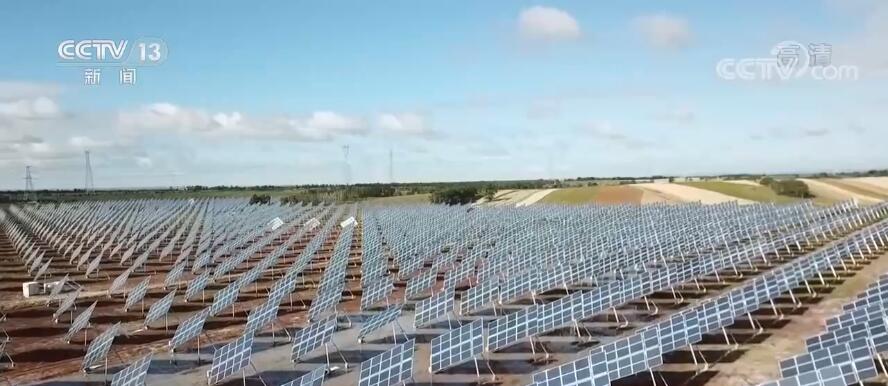
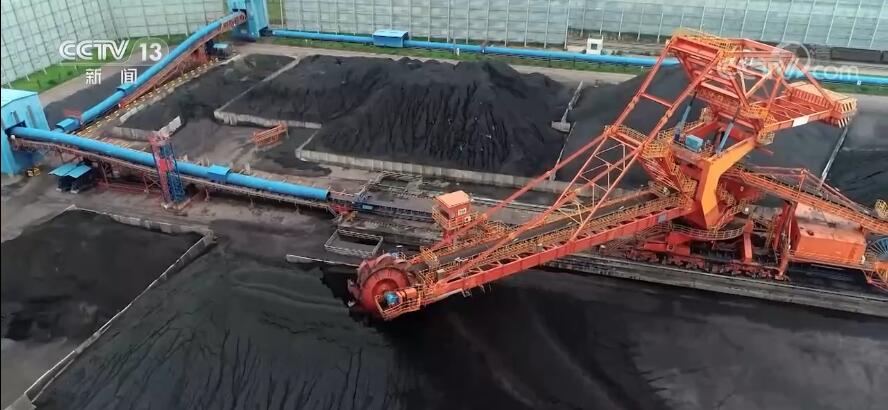
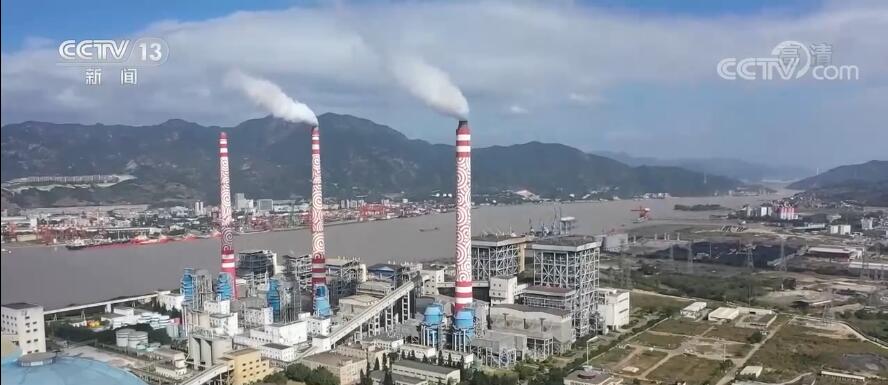
Do a good job in clean utilization of coal and increase the capacity of new energy consumption

CCTV News:Energy is the foundation of economic development. This year’s Central Economic Work Conference pointed out that to correctly understand and grasp peak carbon dioxide emissions’s carbon neutrality, the gradual withdrawal of traditional energy sources should be based on the safe and reliable substitution of new energy sources. How to balance the relationship between traditional energy and new energy? Let’s look at the interpretation of experts.

Lin Weibin, Director of Energy Policy Research Center of China Energy Research Association:Low-carbon transformation should vigorously develop renewable energy. Between these new development forces and the original traditional technical forces, there will be a natural, trade-off alternative transformation process, instead of "tearing down the old house before the new house is built", it is necessary to realize the organic unity of economic development and carbon reduction, rather than mutual exclusion.

The meeting pointed out that it is necessary to base on the basic national conditions of coal, do a good job in clean and efficient utilization of coal, increase the capacity of new energy consumption, and promote the optimal combination of coal and new energy.

Xu Chunming, Dean of Carbon Neutralization and Future Technology College of China Shiyou University:Actively develop new energy sources and pay more attention to the clean, efficient and high-quality utilization of kerosene gas fossil energy.

Du Zhongming, Dean of Electric Power Planning and Design Institute:In the future, the orientation of coal-fired power will be gradually adjusted in the "14th Five-Year Plan" to give more play to the security support function of power grid and power system.

The meeting pointed out that it is necessary to make scientific assessment, add renewable energy and energy consumption of raw materials not to be included in the total energy consumption control, create conditions to realize the transformation from "double control" of energy consumption to "double control" of total carbon emission and intensity as soon as possible, and accelerate the formation of incentive and restraint mechanisms to reduce pollution and carbon to prevent simple layer-by-layer decomposition. We should pay close attention to tackling key problems with green and low-carbon technologies.

Du Zhongming, Dean of Electric Power Planning and Design Institute:Scientific and technological innovation is the key to achieve the goal of "double carbon". In the fields of new energy-friendly power generation technology, high-proportion new energy transmission technology, new energy storage technology, intelligent regulation technology and low-carbon technology of traditional power supply, it is urgent to break through a number of key technologies, realize engineering application as soon as possible, and effectively increase the proportion of new energy generation.

China’s economy continues "steady progress" and five big data show "structural change"

  BEIJING, Beijing, June 14 (Zhong Qing) On the 13 th, Sheng Laiyun, spokesperson of the National Bureau of Statistics and director of the National Economic Statistics Department, said at the press conference on the operation of the national economy in May that "the national economy continued this year’s smooth operation and steady progress, and positive factors continued to accumulate."

  How to understand "stability" and "progress" here? Sheng Laiyun affirmed the overall stability of China’s economic operation from five aspects: industrial production, service industry development, market sales, employment and price. For "Jin", he believes that it is mainly reflected in the steady advancement of structural adjustment and transformation and upgrading.

  In order to find the "structural changes" behind these economic developments, the reporter from Zhongxin.com combed five macroeconomic data and told you how the national economy "strives for progress steadily".

  Investment structure

  The growth rate of investment in energy-intensive manufacturing industry is falling.

  In the case of relatively stable prices and industrial operation, the investment data of one of the "Troika" showed a downward trend.

  According to the data released by the Bureau of Statistics on the 13th, from January to May, the national investment in fixed assets (excluding farmers) was 18,767.1 billion yuan, a nominal increase of 9.6% year-on-year, and the growth rate dropped by 0.9 percentage points compared with that in January-April.

  "The growth rate of investment in fixed assets has indeed declined somewhat, but the investment structure is being optimized." Sheng Laiyun pointed out that high-tech investment and service industry investment in fixed assets investment have maintained a relatively fast growth rate, and the proportion is increasing; However, the growth rate of investment with high energy consumption, especially in industries with overcapacity, is declining.

  Specifically, investment in high-tech industries increased by 13.6% in the first five months, which was 4 percentage points higher than the growth rate of total investment; In addition, the investment in industrial technological transformation is obviously improving, with an increase of 14.9% from January to May, which is 5.3 percentage points higher than the average growth rate; The proportion of investment in service industry was 57.4%, an increase of 1.2 percentage points over the same period of last year.

  On the contrary, investment in industries with high energy consumption and overcapacity began to decline. Sheng Laiyun pointed out that the investment in the six high-energy-consuming manufacturing industries decreased by 1.5%, of which the investment in coal mining and washing industries decreased by 32.9%.

  At the monthly economic data conference held on the 13th, the narrowing of the growth rate of private investment attracted media attention. The data shows that private investment in fixed assets increased by 3.9% year-on-year in the first five months, which was 1.3 percentage points lower than that in the first four months. Will this drag down China’s economic growth?

  "The slowdown in the growth rate of private investment shows that the endogenous power of the economy needs to be strengthened", Sheng Laiyun bluntly answered the above questions, but this endogenous downward pressure does not necessarily mean the inevitable decline of the economy, which is related to the adjustment of China’s economic structure and power conversion.

  Sheng Laiyun explained in detail two reasons for the decline of private investment: on the one hand, the ex-factory price of industrial products has continued to decline in recent years, especially the profit growth rate of some industries with overcapacity may decline, which has affected investment enthusiasm; On the other hand, it is related to the lack of access to private capital in some fields, which limits the entry of private capital to some extent.

  Foreign trade structure

  The import and export of private enterprises increased and their proportion increased.

  Just last week, the General Administration of Customs released the latest import and export data, and the monthly import growth rate turned positive for the first time in 19 months.

  According to customs statistics, the total import and export volume in May was 2,019 billion yuan, a year-on-year increase of 2.8%. Among them, exports were 1,171.9 billion yuan, an increase of 1.2%; Imports reached 847.1 billion yuan, up by 5.1%. Import and export balance, with a surplus of 324.8 billion yuan.

  According to Xinhua News Agency, people in the industry believe that the external environment will be unstable and uncertain in the next few months, and the downward pressure on imports and exports will remain high. However, China’s series of foreign trade policies and measures adhere to the problem orientation, pay more attention to the transfer of processing trade to the central and western regions, and pay more attention to the adjustment of foreign trade structure and encourage innovation, which will create a more favorable environment for foreign trade development, effectively boost the confidence of import and export enterprises and enhance their ability to take orders.

  From the data, the effect of structural adjustment can still be seen in the import and export of foreign trade in the first five months, and the import and export of private enterprises continued to grow and the proportion increased.

  In the first five months, the import and export of private enterprises was 3.56 trillion yuan, up 6.9%, accounting for 38.8% of China’s total foreign trade, up 3.6 percentage points over the same period last year.

  In terms of export product structure, the export of mechanical and electrical products declined, while the export of traditional labor-intensive products such as textiles and clothing increased. In the first five months, the export of mechanical and electrical products in China was 3.03 trillion yuan, down 2.5%; In the same period, the total export of seven categories of labor-intensive products, including clothing, textiles, furniture, footwear, plastic products, toys and luggage, increased by 2%, accounting for over 20% of the total export value.

  consumption structure

  Online retail continues to grow rapidly and consumption continues to upgrade.

  As the "new kinetic energy" of economic development, the growth rate of consumption is lower than expected from the data performance, but in Sheng Laiyun’s view, the transformation and upgrading of the consumer goods market has made new progress.

  In May, the total retail sales of social consumer goods reached 2,661.1 billion yuan, a nominal increase of 10.0% year-on-year and 0.76% quarter-on-quarter. From January to May, the total retail sales of consumer goods increased by 10.2% year-on-year. .

  "Sales in industries related to the improvement of residents’ consumption quality and quality improvement have maintained rapid growth, and the trend of consumption upgrading continues to appear," Sheng Laiyun said.

  For example, automobile sales in May increased by 8.6% year-on-year, 3.5 percentage points faster than that in April, which played an important role in supporting the steady growth of retail sales in that month. In the first five months, the sales of sports and entertainment products nationwide increased by 12.9% year-on-year, and the sales of Chinese and western medicines increased by 14.4% year-on-year.

  Lin Tao, a senior statistician of the Department of Foreign Trade and Economic Cooperation of the National Bureau of Statistics, also affirmed the sales growth of consumption-upgrading commodities, saying that "the sales of new formats, new products and some consumption-upgrading-related commodities maintained rapid growth".

  From January to May, online retail sales continued to grow rapidly, with the national online retail sales reaching 1,808.9 billion yuan, a year-on-year increase of 27.7%. Among them, the national online retail sales of physical goods increased by 25.9% year-on-year, the growth rate was 0.3 percentage points faster than that of January-April, and 15.9 percentage points higher than the growth rate of total retail sales of social consumer goods.

  industrial structure

  The overall stable structure of industrial production is continuously optimized.

  At the press conference held on June 13, Sheng Laiyun summed up the overall situation of the national economy operation last month with the words "overall stability, steady progress".

  He specifically mentioned that the word "stable" is first manifested in the relatively stable industrial production. In May, the added value of industrial enterprises above designated size increased by 6%, the same as in April. There have been some positive changes in industrial production. The added value of manufacturing industry increased by 7.2%, up 0.3 percentage points from last month, and the data of industrial electricity consumption rose by 0.3 percentage points.

  From the data, the growth rate of service industry continues to be faster than that of industry, which means that the proportion of service industry in GDP continues to increase. At the same time, the industrial structure continues to be optimized, and the growth rate of high-tech industries and advanced equipment manufacturing industries is obviously accelerating, and the proportion is also constantly increasing.

  In May, the added value of high-tech industry and equipment manufacturing industry increased by 11.5% and 8.5% respectively year-on-year, and the growth rate was 1.8 and 0.6 percentage points higher than that of last month, 5.5 and 2.5 percentage points faster than that of industries above designated size.

  Another data reflecting the operation of the industrial economy is improving synchronously. In May, the PPI (ex-factory price of industrial producers) decreased by 2.8% year-on-year, which was 0.6 percentage points lower than that of the previous month, and the decline narrowed for five consecutive months.

  Peking University Economic Research Institute’s prediction of the future trend of industrial product prices shows that the year-on-year decline of PPI should continue to narrow due to the influence of low cardinal utility.

  real estate market

  The growth rate of sales data of "destocking" commercial housing began to decline

  After the "crazy March", the real estate market gradually returned to rationality in May, but the sales data still maintained a rapid growth.

  In the first five months, the national commercial housing sales area was 479.54 million square meters, up 33.2% year-on-year, and the growth rate dropped by 3.3 percentage points compared with that in January-April. Among them, the residential sales area increased by 34.2%. The national sales of commercial housing reached 3,677.5 billion yuan, up 50.7% year-on-year, and the growth rate dropped by 5.2 percentage points.

  In response to the narrowing of the cumulative growth rate of commercial housing sales data, Yan Yuejin, research director of the think tank center of Yiju Research Institute, told the reporter of Zhongxin.com that "this is related to the current cooling of the property market in second-tier cities". Previously, Hangzhou, Suzhou, Nanjing and other cities were basically popular. There has been a decline in transactions.

  The sustained and rapid growth of sales data has effectively helped the "destocking" of the national property market. At the end of May, the area of commercial housing for sale was 721.69 million square meters, a decrease of 5.21 million square meters compared with the end of April.

  Sheng Laiyun said that real estate inventory is the highlight of this year’s destocking task, and real estate inventory has been declining for several months. "The area for sale of commercial housing continues to decrease, and the effect of destocking has begun to show." Li Jiao, senior statistician of the Investment Department of the National Bureau of Statistics, said when interpreting real estate data.

  In Yan Yuejin’s view, while "destocking", it is even more necessary to be alert to the risk of rapid rise in housing prices. "Especially in some third-and fourth-tier cities, similar to the surrounding areas of big cities such as Kunshan, Wuxi, Dongguan and Langfang, the effect of destocking is good, but the price increase is also obvious, which is the content that needs attention in subsequent destocking." Yan Yuejin said. (End)

Bad heart! The car was scratched but I couldn’t see the monitoring neighborhood Committee: the monitor hasn’t been repaired yet.

  Qilu Evening News reported on August 19th (trainee reporter Zhao Zhuoqi) that the vehicles in the residential area were zoned, but it was difficult to check the monitoring. Recently, Ms. Xing told Qilu Evening News that she was a resident of Yuhan North District, Shizhong District. On August 13, she parked her private car in the normal parking space of her own community, but when she picked it up later, she found that the car was maliciously scratched and the pasted ornaments were also removed.

  "My car was parked in the community, and it didn’t move for about three days. When I wanted to drive out again and take things out of the trunk, I found that the car was scratched." Ms. Xing said that at that time, there were nearly 20 palm-length cuts in the headlights at the left rear of her private car. In addition, the "Gecko" ornaments pasted on the back of the car were also abruptly removed. "The car is placed in the regular parking space of the community and will not affect the passage of other vehicles." Ms. Xing stressed.

  The reporter saw from the photos provided by Ms. Xing that there were more than a dozen scratches on the left rear of the car, which seemed to be caused by sharp objects being scratched back and forth. In addition, a "gecko" in the lower left corner of the trunk of the car was also removed, leaving only the head, tail and limbs.

  Because there was monitoring not far from the parking, Ms. Xing found the neighborhood Committee and wanted to see the surveillance video of the day. "At that time, I proposed to check the monitoring. The staff of the neighborhood Committee said that the monitoring display had been damaged for a long time and had been reported to the office. Now it has not been repaired and it is impossible to see it." Ms. Xing said that general video surveillance can be stored for 15 days. If it can be repaired, you may be able to see the situation that day.

  Ms. Xing said that when she asked when the monitor could be repaired, the staff of the neighborhood Committee only replied "I don’t know". "If it’s just because the monitor is broken, you should give a statement about whether and when it can be repaired. It’s disturbing that you can’t check it now." Ms. Xing questioned.

  Since the monitoring has already been reported, why is it delayed in maintenance? "There are two main reasons why the monitoring can’t be viewed. One is because the old residential area was renovated in the early stage of Yuhan North District, and some lines were cut off. Another reason is that the short circuit of the wire occurred on rainy days, which caused the monitoring display to be burned out. " Mr. Liu, a staff member of the Ping An Construction Office of Liulishan Sub-district Office, explained.

  "At that time, the monitoring of Yuhan North District was carried out by two companies. Now these two companies have come to see it. It is only because the lines are on the ground after landing, the construction and maintenance are difficult, and the rain has delayed the time." Mr. Liu emphasized that the monitoring display was caused by short circuit of wires, so it was necessary to wait until the construction party came up with a plan before installing it. "If the location of the owner’s car is monitored, it should be available this Thursday." Mr. Liu said.

A couple found liver cancer. These two fruits are the bane and have been included in the "cancer blacklist".

Xiaonan and Xiaomei run a fruit shop. They want to earn more money, but they don’t want to waste unsold fruits, so they often cut off some bad fruits and eat them themselves.

However, these seemingly good fruits are the main cause of their liver cancer.

Fruit is an essential part of our daily diet.

Fruits are rich in vitamins, minerals and antioxidants, which can provide the nutrients we need, help regulate our metabolism and promote the normal operation of our body functions.

Therefore, it is very important for our overall health to choose and eat fruits correctly.

These two fruits have been included in the "cancer blacklist"

1. Rotten and moldy fruit: Even if there is only one small mildew spot, the whole fruit will be toxic.

Most fruits contain a lot of juice, sugar and nutrients, so they are an ideal environment for mold growth. When mold grows in large quantities, fruits will begin to rot gradually.

Mold is actually a big family. Usually, mold does not cause fatal harm to human body. But under some suitable conditions, the problem of mold may be more serious than we thought.

For example, in rotten fruits, the most common toxins are patulin, ochratoxin A, aflatoxin and arthrosporin.

These toxins are harmful to human health to varying degrees, and may even lead to cancer, deformity or death.

Penicillin: It can pollute all kinds of fresh fruits and juices, and can damage the intestines and kidney function. The International Agency for Research on Cancer (IARC) lists it as a class 3 carcinogen.

Ochratoxin A: It is toxic to liver and kidney, and can pollute a small number of fruits, such as rotten dried figs and apricots. IARC classified it as a class 2B carcinogen.

Aflatoxin: A strong carcinogen, it can pollute rotten fruits such as sugarcane, raisins and dried figs. IARC classified it as a class 1 carcinogen.

Arthrospermycin: It is a definite carcinogen, which can pollute rotten sugarcane. If pregnant women eat it carelessly, it may lead to fetal malformation.

Therefore, it is recommended not to eat any rotten fruit, even if the bad parts are cut off, there may be toxin residues.

2. Areca catechu: a primary carcinogen

Areca catechu is a first-class carcinogen, and this conclusion was announced by the International Center for Research on Cancer in 2003.

Chewing betel nut for a long time is equivalent to subjecting the oral mucosa to both physical and chemical blows, so that it is constantly injured.

Long-term injury is a very dangerous carcinogen, and many organ cancers are related to persistent injuries, such as lung cancer, liver cancer, esophageal cancer and so on.

In these two cases, the fruit can be eaten after cutting the wound.

1. Low temperature frostbite causes

In the low temperature storage environment, the activity of superoxide dismutase in fruits decreases, and the free radicals in cells cannot be eliminated in time.

With the increase of the number of free radicals, they will change the permeability of fruit cell membrane, thus destroying the cell structure.

In addition, the low temperature environment will also improve the activity of pectin esterase in fruit, which will decompose insoluble pectin in pulp and make the surface of fruit "soft and rotten".

But in fact, the "frostbitten" fruit is only damaged by cells and does not produce microorganisms or toxins, so it can continue to be eaten.

2. Bumped and crushed fruit

In the process of collision, the cytoplasm in the fruit dissolves, and the colorless phenols in the cells are transformed into colored quinones.

In essence, these fruits are not infected by harmful pathogens such as bacteria, so short-term eating will not affect the body.

Of course, if the fruit in your house has been stored for a long time, and it is not clear what caused it to be "a little rotten", it is better to throw it away.

Read the original text

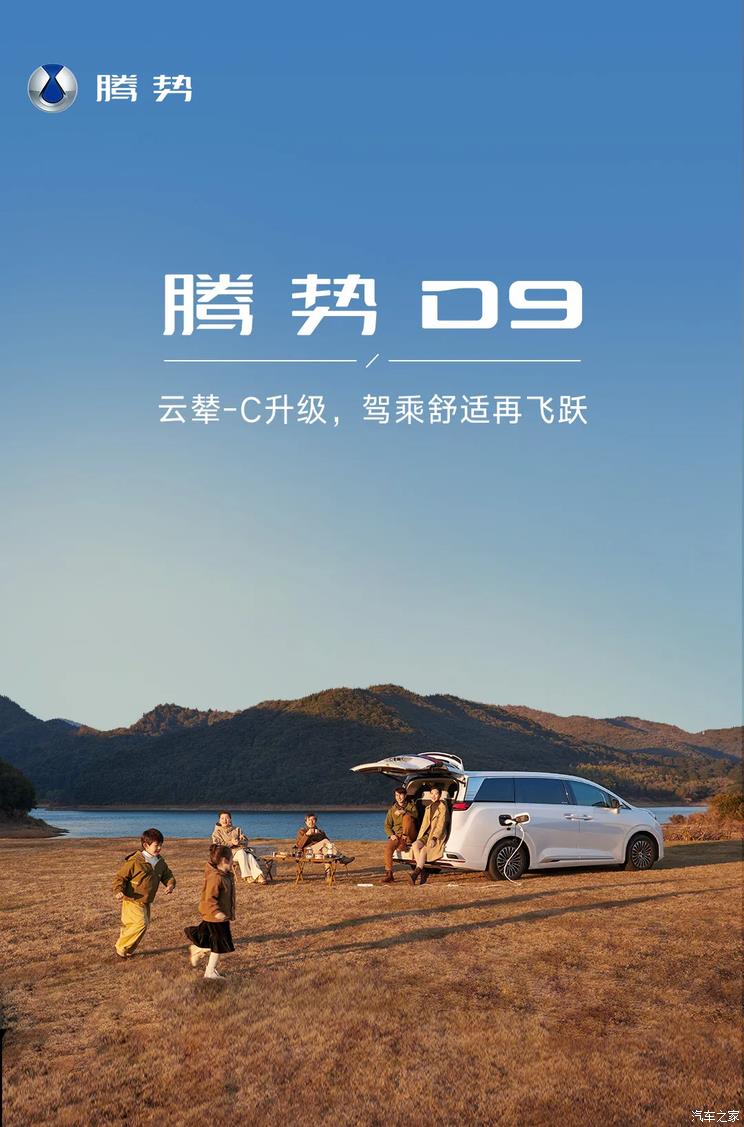
The driving sense is improved, and the momentum D9 welcomes the upgrade of OTA Yunnian-C.

  [car home Information] Recently, we learned from the official that (|) once again ushered in the OTA upgrade, which was mainly aimed at optimizing the Yunnian -C system to improve its driving comfort. In addition, it also includes adding pet care mode, optimizing dynamic multi-color logic of atmosphere lights, etc., as follows:

Home of the car

Home of the car

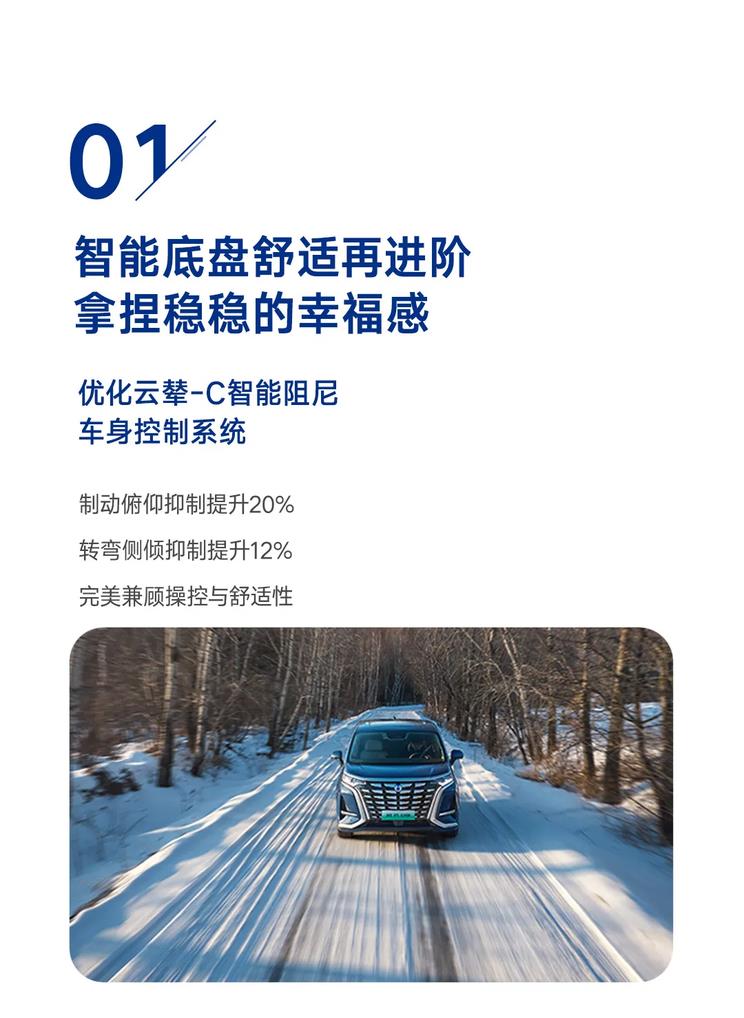
Cloud chariot -C upgrade:

  Optimize the Yunqi -C intelligent damping body control system, and the braking pitch suppression is increased by 20%, and the cornering roll suppression is increased by 12%, regardless of handling and comfort. This function upgrade corresponds to the vehicle configuration, and only applies to the models equipped with Yunnian-C.

Home of the car

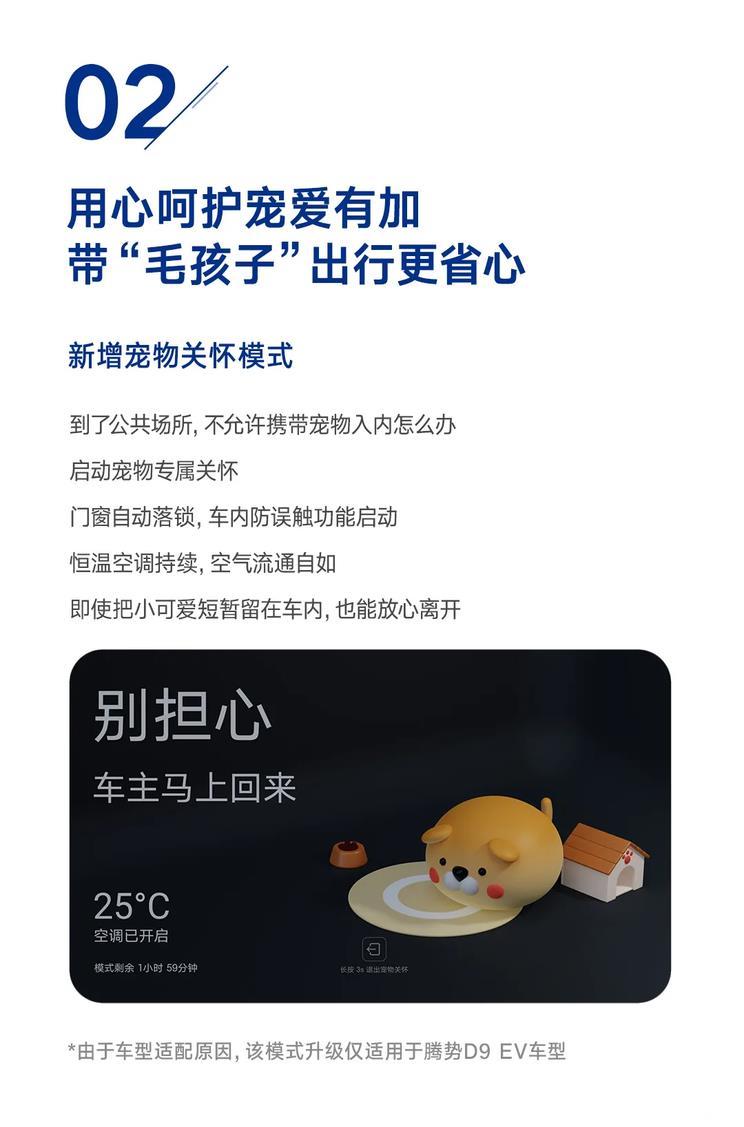
Pet care mode:

Start the exclusive care for pets, automatically lock the doors and windows, start the anti-misoperation function in the car, keep the constant temperature air conditioning and make the air circulate freely. This mode upgrade is only applicable to Tengshi D9 EV models.

Home of the car

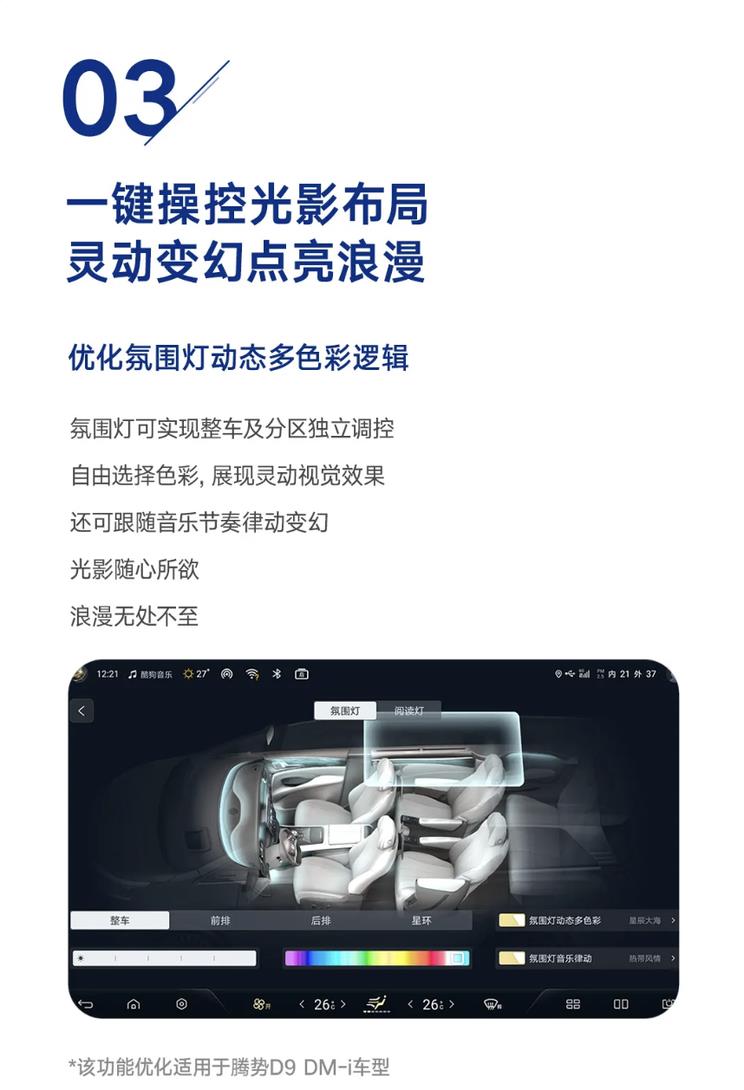
Optimizing dynamic multi-color logic of ambient light;

  Ambient lights can realize independent control of the whole vehicle and its partitions, freely choose colors, show smart visual effects, and change with the rhythm of music. This function optimization is applicable to Tengshi D9 DM- car.

Home of the car

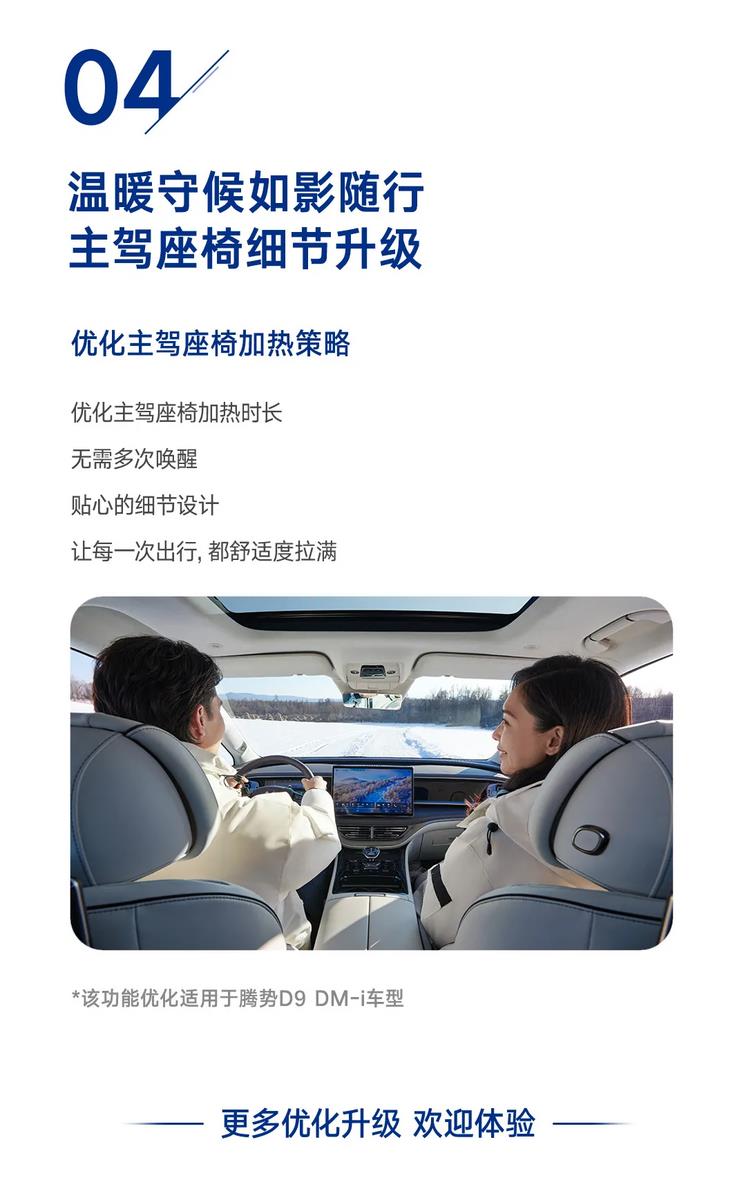
Optimizing the heating strategy of the main driver’s seat;

  Optimize the heating time of the main driver’s seat without waking up many times. This function optimization is applicable to Tengshi D9 DM-i model.

Home of the car

Precautions:

  1. This upgrade will be pushed nationwide in batches. Please be patient. If there is an urgent upgrade demand, please contact the nearest Tengshi Center for assistance. 2. This upgrade is mainly aimed at 22 and 23 Tengshi D9 models (the new Tengshi D9 models have been optimized and upgraded); 3. There may be differences due to vehicle configuration and other reasons. Please refer to the prompt information of the vehicle for the specific upgrade time; 4. This push takes a long time, so it is recommended to make an appointment to upgrade and reserve sufficient upgrade time; 5. This push will not consume user traffic and can be upgraded with confidence; 6. When upgrading, please park the vehicle on a gentle road to ensure that the vehicle network signal is good, the power is higher than 20%, and the front and rear doors and the front and rear hatch covers are closed; 7. During the upgrade process, the vehicle may appear short-term prompts such as off-screen, running lights on, dashboard failure, etc. These are normal phenomena. Please don’t intervene manually or forcibly power off and restart the vehicle. You can lock the vehicle normally and leave, and the vehicle will automatically complete the upgrade. 8. If you encounter any other problems during the upgrade, please call the user care hotline at 400-039-8888 for consultation. (Compile/car home Guo Chen)

Research report of the Ministry of Industry and Information Technology: The blockchain industrial chain in China has taken initial shape.

  BEIJING, Beijing, May 21 (Reporter Liu Yuying) The "White Paper on Blockchain Industry in China in 2018" released by the Information Center of the Ministry of Industry and Information Technology of China on the 20th said that the blockchain industry in China is in a high-speed development stage and the industrial chain has taken shape.

  According to the White Paper, by the end of March 2018, the number of blockchain companies with blockchain business as their main business in China had reached 456, from upstream hardware manufacturing, infrastructure and security services to downstream industrial technology application services, to industry investment and financing, media and talent services to ensure industrial development. Companies in various fields have been basically complete, coordinated and orderly, and jointly promoted the industry to move forward.

  Judging from the geographical distribution of the company, the geographical distribution is relatively concentrated and the industrial agglomeration effect is obvious. Beijing, Shanghai, Guangdong and Zhejiang are still concentrated places for blockchain entrepreneurship, and blockchain enterprises in the four provinces account for over 80%. In addition, China’s top ten provinces with blockchain entrepreneurial activity include Jiangsu, Sichuan, Fujian, Hubei, Chongqing and Guizhou.

  Judging from the distribution of blockchain industry segments, by the end of March 2018, the number of industry application service companies in blockchain field was the largest, among which the number of companies mainly serving the financial industry reached 86, mainly serving the physical industry. The number of service companies reached 109. In addition, there are more than 40 related companies in blockchain solutions, underlying platforms, blockchain media and community fields.

  Judging from the distribution of financing rounds, the blockchain industry is still in a very early stage. At present, nearly 90% of investment events are concentrated in the early stage (A round and before), another 9% are strategic investments, and the investment events in B round and after account for only 2%. The development of blockchain industry is in the ascendant.

  The "White Paper" looks forward to the trend of China’s blockchain industry: First, blockchain has become the forefront of global technology development and opened up a new track for international competition; Second, the blockchain field has become a new hot spot for innovation and entrepreneurship, and technology integration will expand new application space; Third, the blockchain will be widely deployed in the real economy in the next three years and become an important support for the construction of digital China; Fourth, the blockchain creates a new platform economy and opens a new era of sharing economy; Fifth, the blockchain accelerates the process of "trusted digitalization" and drives finance to "get rid of virtual reality" to serve the real economy; Sixth, the blockchain supervision and standard system will be further improved, and the industrial development foundation will continue to be solid. (End)

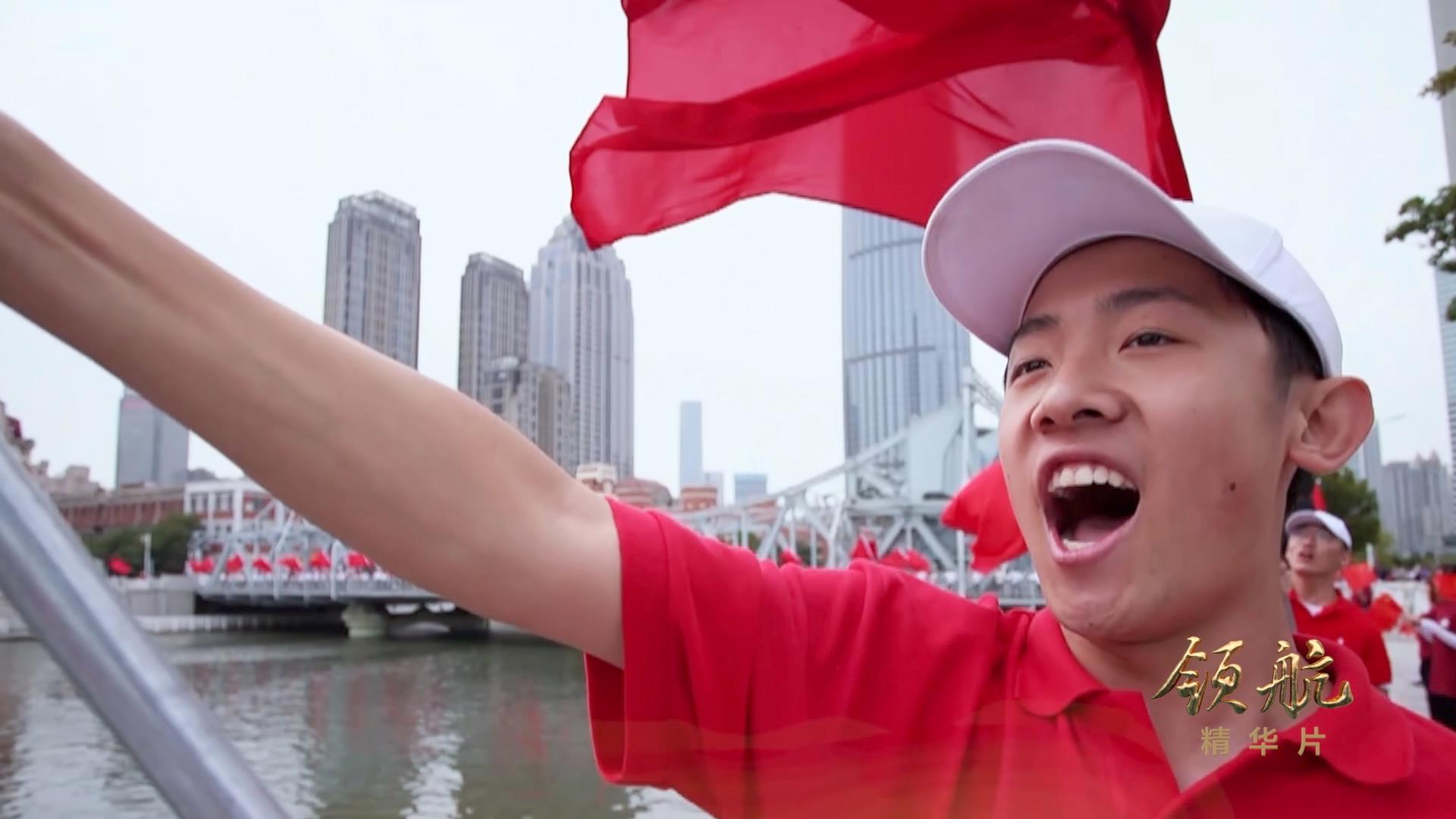
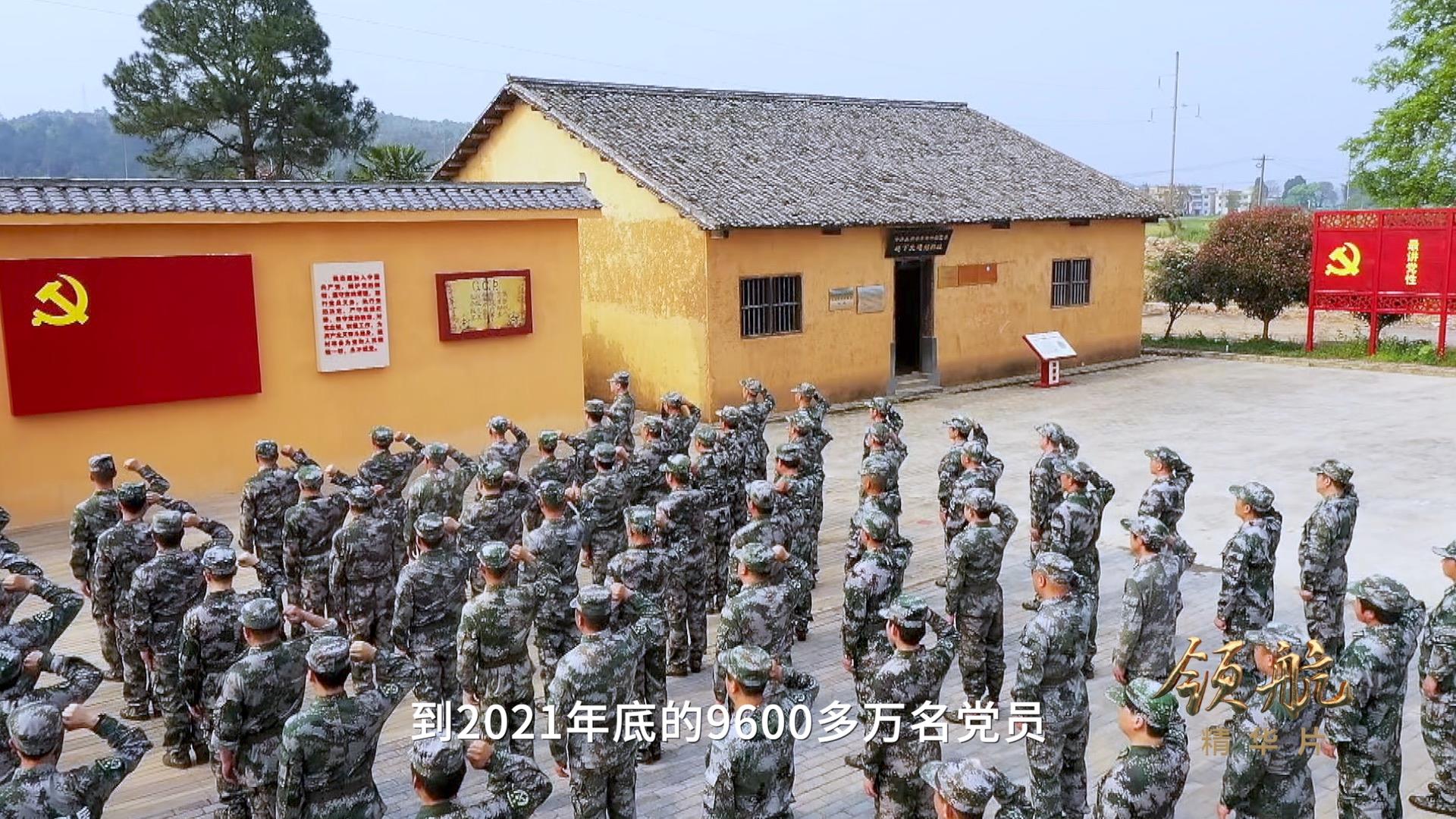
Pilotage | A quick look at the third episode of Pioneer of Dreaming and the fourth episode of Development and Change

  The third episode of the large-scale TV feature film "Pilotage" and the fourth episode of "Development and Change" will be grandly launched on October 9 at 20: 00 on CCTV-1, the Central Radio and Television General Station, and CCTV news, CCTV video and CCTV network will be launched simultaneously.

Episode 3 Pioneer of Dreaming

  In 1943, in the mountains southwest of Beiping, a young man named Cao Huoxing wrote the well-known song "No communist party, No New China".

  Simple lyrics and popular melodies sang the voices of the people, the belief that the people firmly follow the party, and the logic of the Chinese nation’s century-old history.

  "History and people chose the Communist Party of China (CPC). The Communist Party of China (CPC)’s leadership is the most essential feature of Socialism with Chinese characteristics and the greatest advantage of the Socialism with Chinese characteristics system. "

  Comrade, believe all your life.

  From more than 50 party member in 1921 to more than 96 million party member by the end of 2021, our team is getting longer and longer, our pace is getting firmer and stronger, our motherland is getting stronger and stronger, and our people are getting happier and happier. All this stems from the Communist Party of China (CPC)’s strong leadership.

  The key is to maintain the authority of the CPC Central Committee, give full play to the core role of the Party in commanding the overall situation and coordinating all parties, and improve the system.

  A series of basic, strategic and innovative measures have been launched one after another, which have strengthened the "four consciousnesses", strengthened the "four self-confidences" and achieved the "two safeguards" and become the consensus and action consciousness of the whole party.

  The party’s leadership is comprehensive, systematic and holistic, which is not only reflected in the functional system of institutions, but also reflected in the hearts of the people.

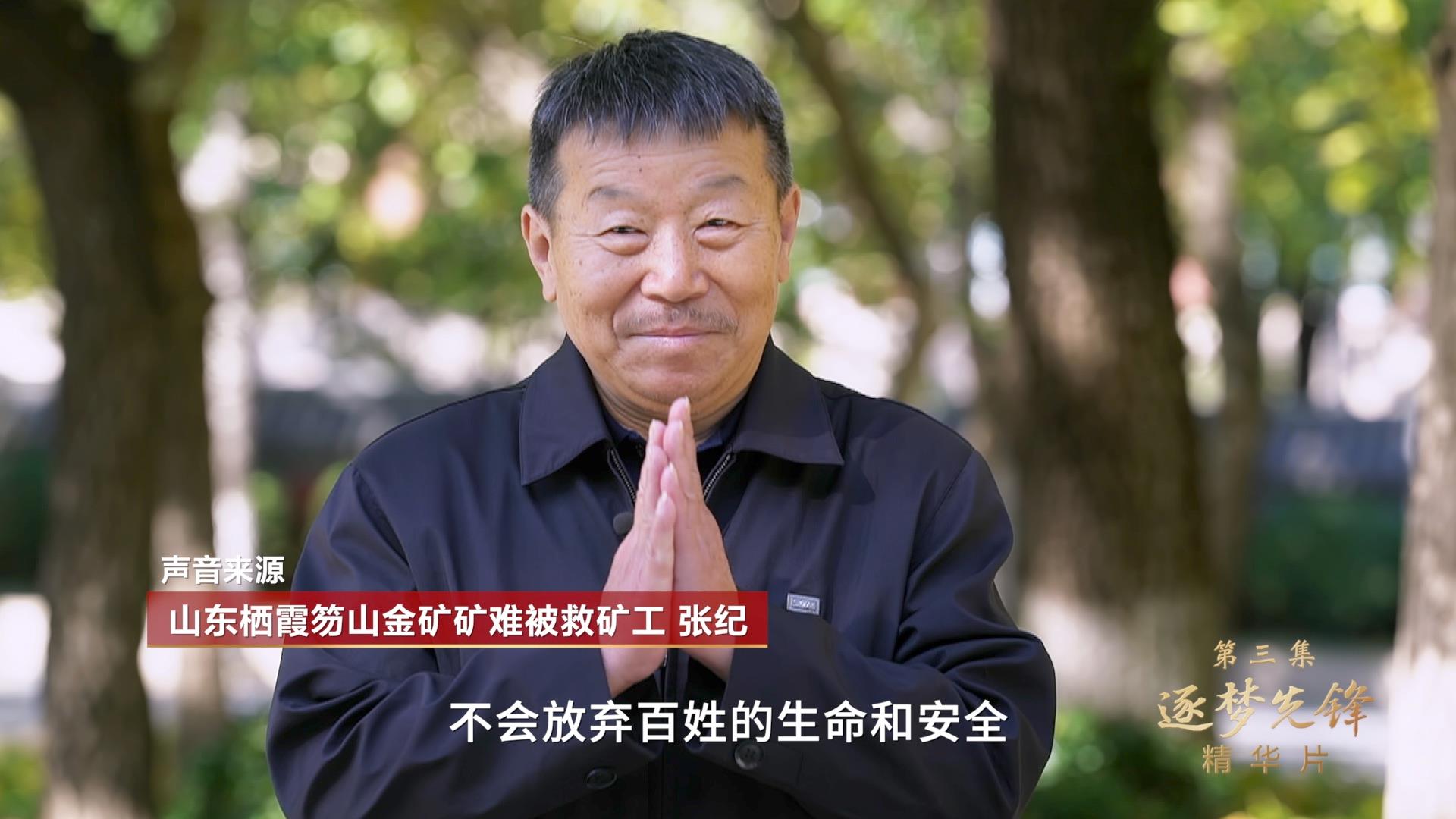
  Zhang Ji, a rescued miner at the Hushan gold mine in Qixia, Shandong, said: "It was everyone’s idea to write this note at that time, saying that the party would definitely come to save us and would not give up the lives and safety of the people."

  Luo Chunyan, a villager in Haohuahong Village, Huishui County, Guizhou Province: "The days of our people are getting more and more prosperous. We thank the party and the government."

  Xin Wang, the former violinist of Wuhan Philharmonic Orchestra: "I feel that our party is very great. Without communist party, there would be no new China. This song is indeed like this."

The fourth set of development and change

In the new era, the CPC Central Committee with the Supreme Leader as the core has taken the overall situation and grasped the general trend, and put forward a series of new ideas, new ideas and new strategies around China’s economic and social development.

  On July 1, 2016, General Secretary of the Supreme Leader delivered a speech at the celebration of the 95th anniversary of the founding of the Communist Party of China (CPC):"Accelerate the formation of a mechanism and environment that advocates innovation, pays attention to coordination, advocates green, thick planting and opening up, and promotes sharing, and constantly expands China’s economic strength and comprehensive national strength."

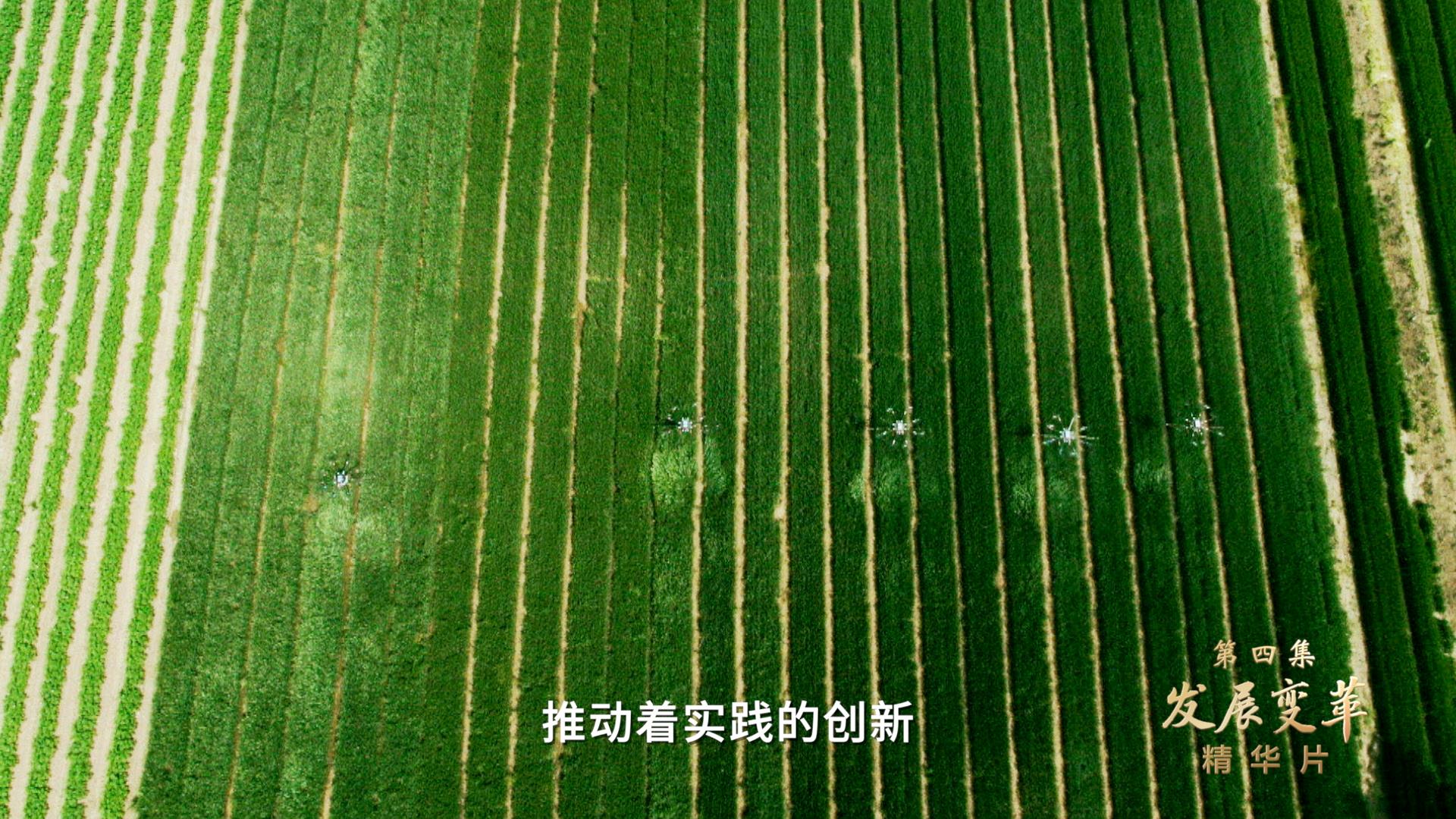
  Our country’s scientific and technological workers aim at the key core technical fields such as artificial intelligence, quantum information, supercomputing, integrated circuits, life and health, brain science, biological breeding, aerospace science and technology, deep sea and so on, constantly innovating and bravely breaking through, and have made a series of forward-looking and strategic significant achievements.

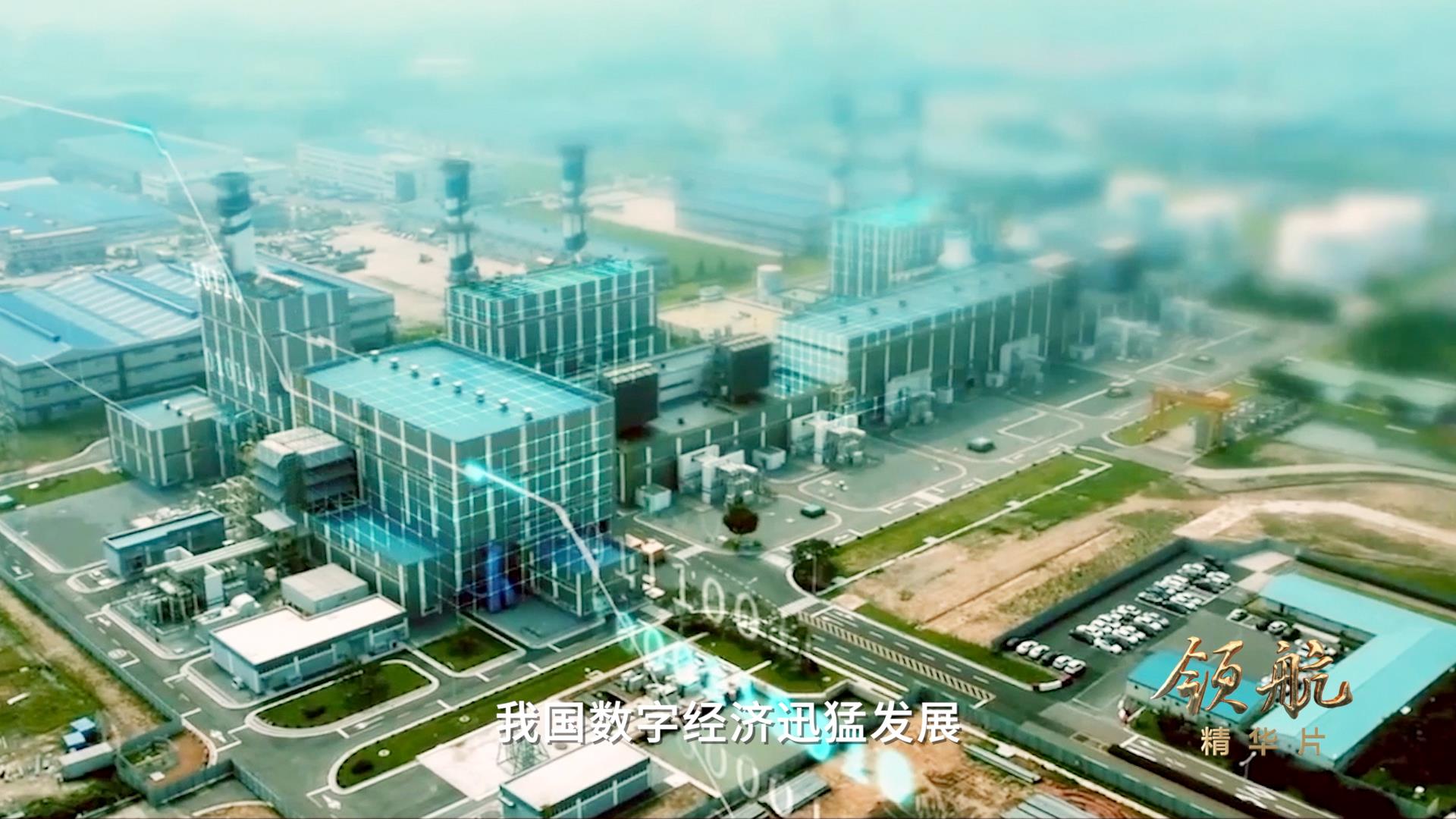
  In the past ten years, China’s digital economy has developed rapidly, from 11 trillion yuan to more than 45 trillion yuan, which has effectively guided the demand for computing power in the east to the west, and "calculating from the east to the west" came into being, building a "new base" for the digital economy and becoming a "new highland" for scientific and technological innovation.

  In the new era, the CPC Central Committee with the Supreme Leader as the core has put forward a series of new strategies to promote coordinated regional development and promote the formation of a regional economic layout with complementary advantages and high-quality development.

  Nowadays, China has shifted from a simple gradient development strategy from east to west to the development and opening up of things in both directions. Economic belt, urban agglomeration and metropolitan area are opening up the context of regional economic development in China and creating a new pattern of coordinated development in China.

  Green development is a profound revolution in the concept of development and an inevitable requirement for building a high-quality modern economic system.

  The change of development concept promotes the innovation of practice, and green is becoming a new fashion for development everywhere.

Opening-up has also brought China’s development into a new world.

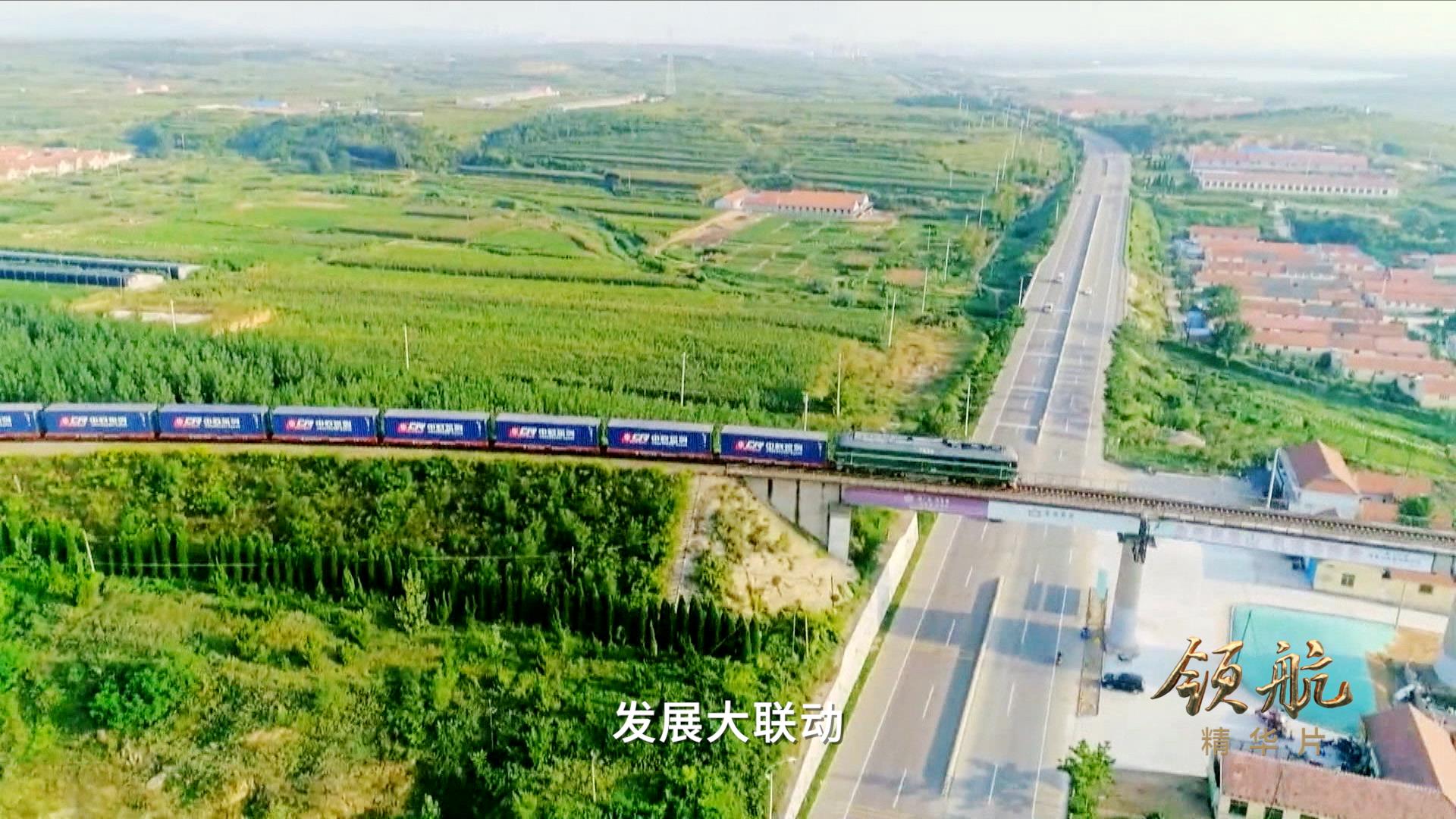
  In 2017, the top leader of president attended the opening ceremony of the "Belt and Road" international cooperation summit forum and delivered a keynote speech:"Unleash the development potential of all countries, achieve great economic integration, develop great linkage and share great achievements."

  High-quality development is the development in which sharing becomes the fundamental purpose. Development is for and depends on the people, and the fruits of development are shared by the people.

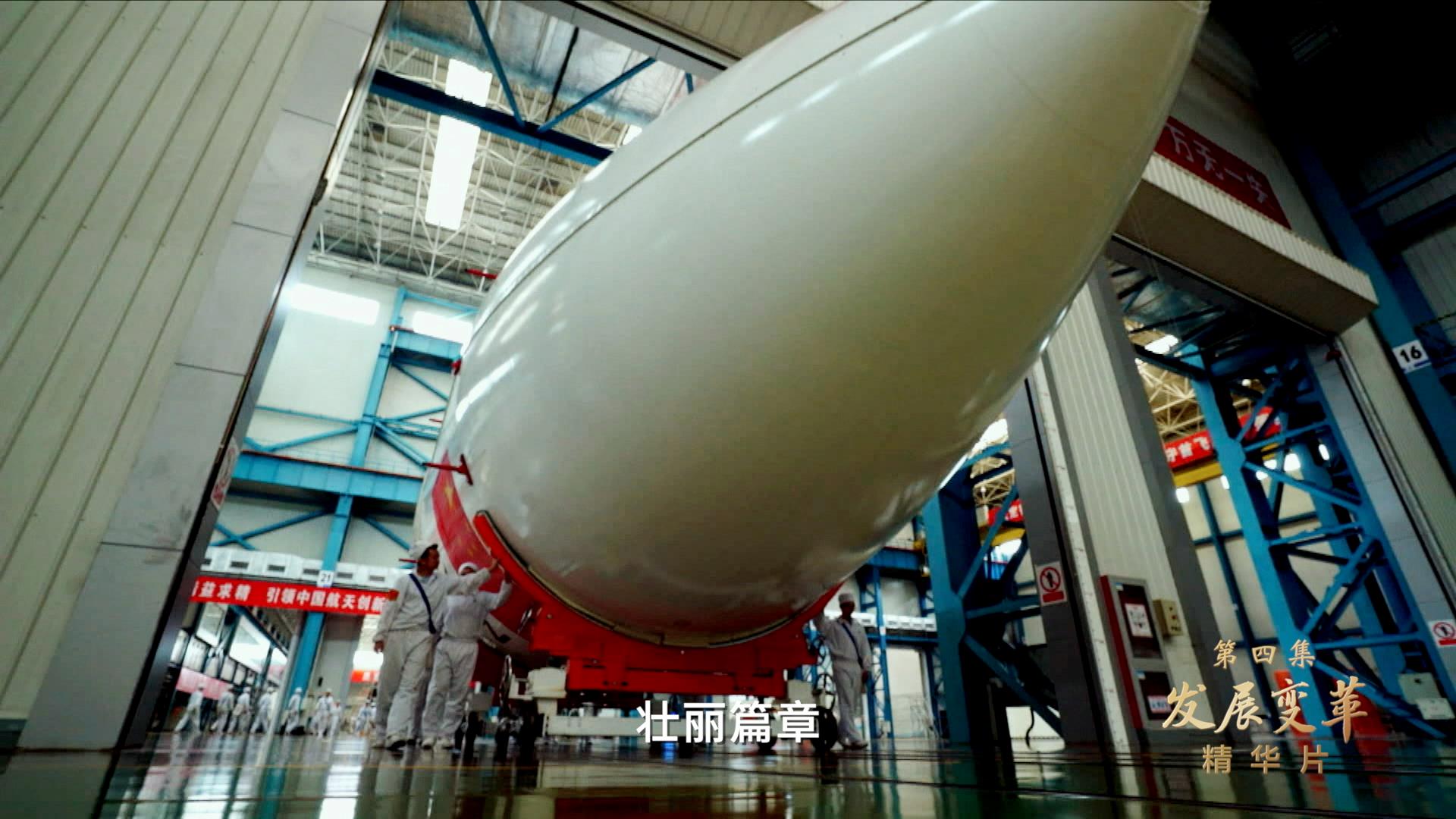
  Based on the new development stage, implementing the new development concept and building a new development pattern, the people of China are writing a magnificent chapter to promote high-quality development.

Opinions of the Ministry of Finance and Environmental Protection on Supporting the Reform of Environmental Monitoring System

On November 2, 2015, Cai Jian [2015] No.985

The finance departments (bureaus) and environmental protection departments (bureaus) of all provinces, autonomous regions, municipalities directly under the Central Government and cities under separate state planning:

  Environmental monitoring is the foundation of ecological environmental protection and the important support of ecological civilization construction. In recent years, financial and environmental protection departments at all levels have effectively increased their financial input and actively carried out their work, initially established a national environmental monitoring network, launched a pilot project of collecting air directly from the national monitoring station, released real-time air quality monitoring data to the public in cities above the prefecture level, and significantly enhanced their environmental monitoring capabilities. In some places, pilot explorations such as third-party custody operations have been carried out, and positive results have been achieved. However, the problems existing in China’s current environmental monitoring work are also prominent. The central and local environmental monitoring powers have not been completely straightened out, and the phenomenon of local administrative intervention in monitoring data still exists. The responsibility of enterprise environmental monitoring report has not been fully implemented, and the base of enterprise sewage discharge is unclear. Protecting the people’s right to know about the environment is the basic duty of the government. Under the new situation, comprehensively promoting the construction of ecological civilization also urgently requires speeding up the rationalization of environmental monitoring rights among governments at all levels and deepening the reform of the environmental monitoring system. After being approved by the leaders of the State Council, the following reform implementation opinions are put forward:

  First, the overall requirements, objectives and basic principles of financial support monitoring system reform

  (1) General requirements.

  Thoroughly implement the spirit of the 18th National Congress of the Communist Party of China, the 3rd, 4th and 5th Plenary Sessions of the 18th Central Committee, implement the State Council’s Plan for the Construction of Ecological Environmental Monitoring Network (Guo Ban Fa [2015] No.56), straighten out the national environmental monitoring management system, accelerate the reform of the environmental monitoring system, and the central government assumes the power of monitoring important regional and cross-border environmental quality, forming a national direct environmental monitoring network in the aspects of atmosphere, water and soil; Each province undertakes environmental quality monitoring within its jurisdiction, and strengthens the supervisory monitoring of pollution source emissions and strengthens environmental supervision and law enforcement; Implement the main responsibility of enterprises, strictly implement the self-monitoring and reporting system of pollution discharge, thus establishing an environmental monitoring system with clear boundaries between central, local and enterprise responsibilities, providing accurate and authoritative data support for environmental assessment of governments at all levels, and consolidating the foundation of ecological civilization construction.

  (2) Work objectives.

  By 2018, the collection of national monitoring stations and national control sections will be completed in an all-round way, and the monitoring network of atmospheric, water and soil environmental quality directly under the state will be established and improved; The environmental quality monitoring system in the province has been effectively established, and the monitoring data controlled by the state are mutually verified and interconnected; The market-oriented reform of environmental monitoring has been deepened, the third-party trusteeship operation mechanism has been widely implemented, the efficiency of environmental monitoring has been greatly improved, the ecological environmental monitoring system of land and sea planning, integration of heaven and earth and information sharing has been continuously improved, and the environmental monitoring ability has been more adapted to the requirements of ecological civilization construction.

  (3) Basic principles.

  Clarify the powers and responsibilities. In accordance with the requirements of "who evaluates and who monitors", distinguish between the central and local authorities in environmental quality monitoring and expenditure responsibilities; According to the law, the responsibility of enterprise pollution monitoring and reporting will be implemented, and the intergovernmental environmental monitoring power will be clearer, and the responsibilities of all parties will be effectively implemented.

  Graded guarantee and strengthened support. Central and local environmental monitoring is included in the scope of financial security at the same level. The central government will increase investment to ensure the construction and operation of the national environmental monitoring system network; Local financial departments should also take environmental monitoring as the focus of environmental protection expenditure to ensure it.

  Implement step by step, actively and steadily. The reform of environmental monitoring system involves a wide range, so it is necessary to make overall planning, prepare a three-year medium-term financial plan, ensure the collection of key expenditures for environmental monitoring, and gradually receive them according to the existing environmental monitoring work capacity.

  Two, support the establishment of the national air, water, soil and other environmental quality monitoring pipe network.

  The central government should accurately grasp and objectively evaluate the overall situation of the national ecological environment quality and meet the assessment requirements for local ecological environmental protection work. According to the requirements of strengthening environmental protection and governance, the construction of state-controlled monitoring sites and sections will be increased, and all state-controlled monitoring sites and sections will be taken over by the state step by step. In terms of atmospheric monitoring, appropriately increase the construction of state-controlled monitoring stations and enrich the monitoring functions to achieve full coverage of major cities at or above the prefecture level in the country and meet the assessment and evaluation needs of the Air Pollution Prevention Action Plan; In terms of water quality monitoring, automatic monitoring stations and sections controlled by the state are added to cover urban waters above prefecture level, and more than 1,400 important rivers such as national boundary rivers, major first-class and second-class tributaries, 92 important lakes and reservoirs, and key drinking water sources are further covered to meet the assessment and evaluation needs of the Water Pollution Prevention Action Plan; In terms of soil monitoring, it supports the development of a national encrypted survey of soil pollution, the monitoring of risk points, the coverage of important drinking water sources and contaminated soil, the establishment and improvement of the data quality control system of the national environmental monitoring network, the improvement of the quality control and management level of environmental monitoring at the national level, and the assurance of accurate and reliable national environmental monitoring data.

  Third, actively promote the reform of local environmental monitoring system

  All localities should speed up the rationalization of the environmental quality monitoring system within their jurisdiction, do a good job in environmental quality monitoring within their jurisdiction, grasp the status of ecological environment quality and the total amount of pollutants discharged within their jurisdiction, and take the initiative to accept the supervision of the masses within their jurisdiction. Conditional provinces (autonomous regions and municipalities directly under the Central Government) can collect environmental quality monitoring points and sections at the city and county levels within their jurisdiction to meet the provincial assessment requirements. All provinces, autonomous regions and municipalities directly under the central government should make clear the timetable of various reform tasks according to the actual situation, and do a good job in ensuring relevant funds. The provincial environmental monitoring data should be shared with the national network.

  Four, fully implement the main responsibility of enterprise pollution source monitoring.

  Enterprises are the first person responsible for clarifying the pollution discharge situation, and should monitor by themselves or entrust a third party to carry out monitoring according to law, report the pollution discharge data to the environmental protection department in time, and key enterprises should also disclose the monitoring information to the society regularly. Local governments should withdraw from the monitoring of pollution discharge instead of enterprises, earnestly perform the duties of supervisory monitoring of pollution sources, improve the online monitoring system of key pollution sources and strengthen the supervision of pollution discharge process. Supervise and urge enterprises to fulfill the responsibility of self-monitoring of pollution sources and information disclosure, and punish enterprises that practise fraud and smuggle. The central government strengthens environmental supervision for local governments to perform their duties.

  V. Vigorously promote the market-oriented reform of environmental monitoring

  Except for sensitive environmental data, the environmental monitoring stations and monitoring sections collected by the central government will, in principle, adopt the way of government purchasing services and choose a third-party professional company for hosting and operation. Local governments should speed up the marketization of environmental monitoring, deepen the classification reform of environmental protection institutions and cultivate the environmental monitoring market. The government should further strengthen the supervision of the third-party environmental monitoring market, strengthen the accountability mechanism, comprehensively establish environmental monitoring standards and norms, assessment and quality control systems, and improve the quality control and management level of environmental monitoring at the national level.

  Financial and environmental protection departments at all levels should fully understand the great significance of deepening the reform of environmental monitoring system, take active actions, strengthen organization and coordination, ensure the smooth implementation of the reform, and make new contributions to continuously improving the level of environmental quality monitoring in China and promoting the construction of ecological civilization.

  CC: Offices of the Financial Ombudsman of the Ministry of Finance in all provinces, autonomous regions, municipalities directly under the Central Government and cities under separate state planning.